
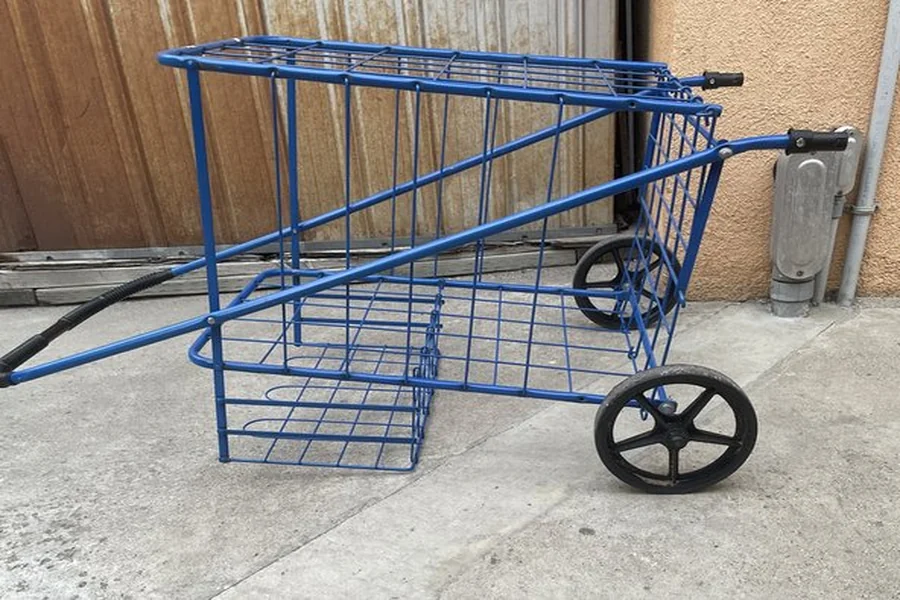
Shopping Cart Wheel Replacement Made Easy
Shopping carts are one of the hardest-working assets in any retail environment. From grocery stores and supermarkets to warehouses and home improvement centers, carts are pushed thousands of times every week. Over time, the wheels naturally wear down, making carts difficult to maneuver and frustrating for customers. Fortunately, shopping cart wheel replacement is a fast and cost-effective solution that restores performance without replacing the entire cart.
In this guide, you’ll learn why replacing worn shopping cart wheels is important, how to recognize when it’s time for new wheels, and how the replacement process helps improve customer satisfaction while reducing maintenance costs.
Why Shopping Cart Wheel Replacement Matters
The wheels are the foundation of every shopping cart. Even if the basket and frame remain in excellent condition, damaged wheels can significantly impact usability.
When wheels become worn, cracked, or misaligned, customers may experience:
- Carts that pull to one side
- Loud squeaking or rattling noises
- Difficulty pushing or steering
- Increased vibration on smooth floors
- Reduced shopping comfort
These issues may seem minor, but they can negatively affect the overall shopping experience. According to customer experience studies, shoppers often notice convenience-related issues during their visit, and equipment quality plays a role in their perception of a business.
Replacing worn wheels helps restore smooth operation while extending the lifespan of existing shopping carts.
Common Signs Your Shopping Cart Wheels Need Replacement
Routine inspections help identify wheel problems before they become expensive repairs.
Here are the most common warning signs:
Uneven Wheel Wear
If one wheel wears faster than the others, the cart may wobble or lean during use. Uneven wear often results from continuous heavy loads or rough flooring.
Cracked or Broken Wheels
Plastic and rubber wheels eventually develop cracks after years of use. Damaged wheels reduce stability and can eventually fail completely.
Excessive Noise
One of the easiest indicators is unusual squeaking, grinding, or clicking sounds. These noises usually point to worn bearings or deteriorated wheel material.
Hard to Push
If customers need extra force to move a cart, worn wheels are often the cause. Increased rolling resistance makes shopping less convenient.
Flat Spots
Shopping carts left stationary with heavy loads can develop flat spots on the wheels, creating a bumpy ride every time the cart moves.
Benefits of Shopping Cart Wheel Replacement
Replacing wheels instead of entire carts offers several advantages for retailers and commercial facilities.
Lower Maintenance Costs
A complete shopping cart replacement can be significantly more expensive than installing new wheels. Replacing only worn components allows businesses to maximize the lifespan of existing equipment.
Improved Customer Experience
Smooth-rolling carts make shopping easier and more enjoyable. Customers spend less effort pushing carts, especially during longer shopping trips.
Increased Safety
Damaged wheels may suddenly lock, wobble, or break, creating safety risks for customers and employees. New wheels improve stability and reduce accident potential.
Quieter Store Environment
Fresh wheels eliminate much of the rattling and squeaking associated with worn carts, helping create a cleaner and more pleasant shopping atmosphere.
Better Operational Efficiency
Employees who collect carts or move inventory also benefit from carts that roll smoothly, saving time and reducing physical strain.
Choosing the Right Replacement Wheels
Not all shopping cart wheels are identical. Selecting the proper replacement ensures long-lasting performance.
Consider the following factors:
Wheel Material
Different materials provide different advantages.
- Rubber wheels offer quieter operation.
- Polyurethane wheels provide excellent durability.
- High-quality plastic wheels resist moisture and corrosion.
- Heavy-duty materials perform better under frequent commercial use.
Load Capacity
Choose wheels designed for the typical weight your carts carry. Grocery stores, warehouse clubs, and garden centers often require higher-capacity wheels than smaller retail stores.
Bearing Quality
Premium bearings reduce friction, making carts easier to push while extending wheel life.
Compatibility
Always verify wheel size, mounting style, and axle specifications before purchasing replacement parts.
Using manufacturer-compatible components helps ensure a proper fit and reliable performance.
The Shopping Cart Wheel Replacement Process
The shopping cart wheel replacement process is typically straightforward when performed by experienced technicians.
The process generally includes:
- Inspecting the existing wheel assembly
- Removing worn or damaged wheels
- Cleaning mounting points
- Installing new replacement wheels
- Tightening hardware securely
- Testing wheel alignment and smooth operation
Many replacement jobs can be completed quickly, minimizing disruptions to daily business operations.
Preventive Maintenance Tips
Replacing wheels becomes less frequent when carts receive regular maintenance.
Here are several best practices:
- Inspect carts monthly for wheel damage.
- Remove debris wrapped around axles.
- Tighten loose hardware promptly.
- Replace damaged wheels before complete failure.
- Rotate carts regularly to promote even wear.
- Store carts properly when not in use.
Preventive maintenance reduces emergency repairs and helps maintain a consistent shopping experience.
Should You Replace Wheels or Buy New Shopping Carts?
Many businesses automatically assume replacing entire shopping carts is necessary when problems arise. However, that’s not always the most economical solution.
If the cart frame remains structurally sound and only the wheels are worn, replacing the wheels is often the smarter investment.
Wheel replacement allows businesses to:
- Extend equipment lifespan
- Reduce capital expenses
- Maintain a consistent cart fleet
- Minimize downtime
- Improve return on investment
For older carts with severe frame damage or multiple broken components, full replacement may eventually become the better option. However, many carts can continue serving customers for years with proper maintenance and timely wheel replacement.
Conclusion
Reliable shopping carts are essential for creating a positive customer experience, and the wheels play a critical role in their performance. Ignoring worn or damaged wheels can lead to uncomfortable shopping experiences, higher maintenance costs, and unnecessary cart replacements.
Investing in shopping cart wheel replacement is a practical and affordable way to restore smooth operation, improve safety, and extend the life of your existing carts. Whether you operate a grocery store, retail chain, warehouse, or commercial facility, replacing worn wheels before they fail helps keep your business running efficiently while ensuring customers enjoy every visit.
Regular inspections, quality replacement parts, and proactive maintenance can significantly reduce long-term operating costs and keep your shopping carts rolling smoothly for years to come.