Understanding Liposuction Surgery: A Comprehensive Overview
Liposuction surgery, a prominent procedure in cosmetic surgery, effectively addresses stubborn body fat resistant to diet and exercise. Offered by clinics such as Argent Plastic Surgery, liposuction has gained popularity due to its targeted efficacy in contouring the human physique.
The Genesis of Liposuction
Invented in the late 20th century, liposuction has undergone numerous advancements, cementing its place in aesthetic medicine. Initially, rudimentary techniques left much to be desired, but with continual innovations, the procedure has become safer and more effective, reducing recovery time and enhancing results.
How Liposuction Works
Liposuction involves the removal of excess fat deposits through a suction technique. This is achieved via a small, hollow instrument called a cannula inserted through tiny incisions in the skin. The fat is then suctioned out, typically using a surgical vacuum or a large syringe attached to the cannula. It’s pivotal to recognise that liposuction is not a weight-loss solution but a method designed to contour body areas that do not respond to other weight loss efforts.
Techniques and Technologies
Traditional Liposuction
The conventional method involves first infusing a solution of saline, epinephrine, and anaesthetic into the targeted area. This tumescent technique minimizes blood loss and provides anaesthesia to the area. Once the solution is administered, fat is loosened and subsequently removed by suction.
Ultrasound-Assisted Liposuction (UAL)
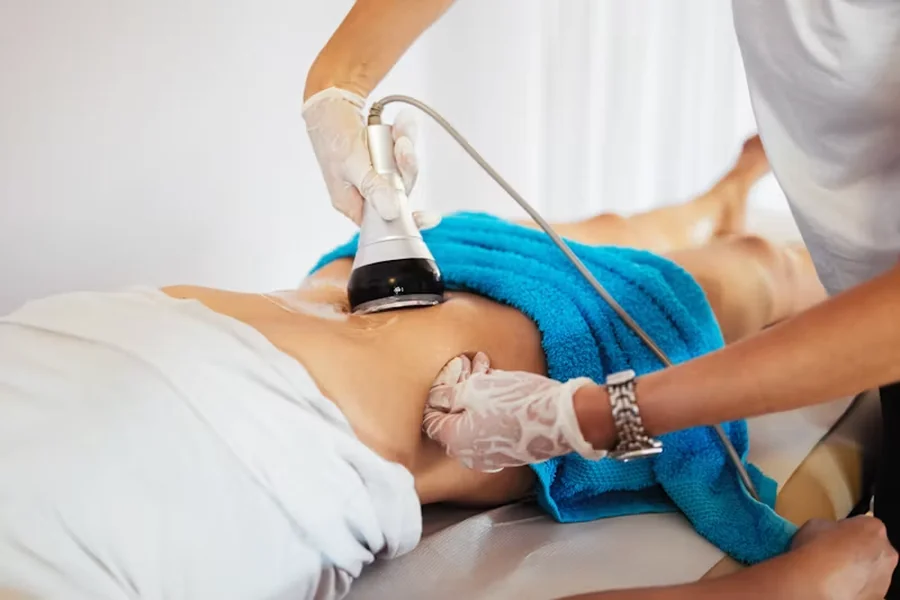
UAL uses ultrasonic vibrations to liquefy fat cells, which facilitates their removal. It is particularly useful in areas where fat is dense and requires a more precise approach.
Laser-Assisted Liposuction
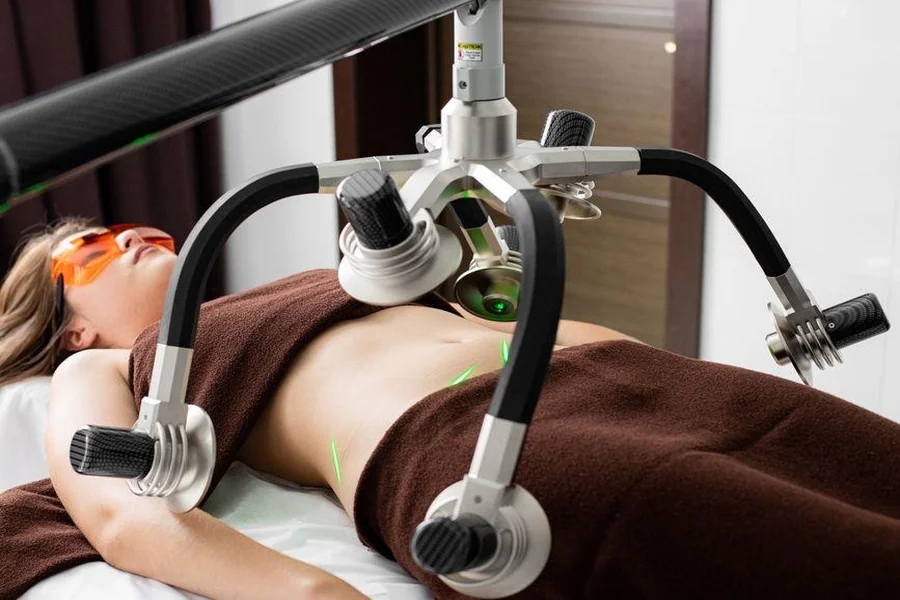
This modern method utilises laser energy to melt fat, which makes it easier and less traumatic to remove. The heat from the laser also stimulates collagen production, promoting tighter skin after the procedure.
Power-Assisted Liposuction (PAL)
PAL employs a mechanized cannula that moves in a rapid back-and-forth motion, reducing physical effort for the surgeon and potentially providing more precise fat removal.
Who Qualifies for Liposuction?
Ideal candidates are individuals with firm, elastic skin who are within 30% of their ideal weight. They should be free from significant medical conditions that could impair surgical recovery. Importantly, candidates must have realistic expectations about the outcomes and understand the purpose is contour refinement rather than weight loss.
Risks and Considerations
Every surgical procedure carries inherent risks. Potential complications of liposuction include infection, embolism, fluid accumulation, and uneven contours. The procedure may also result in skin irregularities, changes in skin sensation, and reactions to anaesthesia. Thus, choosing a well-qualified and experienced plastic surgeon is paramount to mitigating these risks.
The Post-Surgical Journey
Initial Recovery
Following surgery, patients can expect swelling, bruising, and discomfort in the treated areas. Compression garments are typically recommended to manage these symptoms and help the skin conform to the new body contours.
Long-term Recovery
While initial recovery can take days to weeks, complete resolution of swelling and the full realisation of results can require months. It is worth noting that maintaining a stable weight is essential to preserving the outcomes of the procedure.
Alternatives to Liposuction
While liposuction remains a go-to for targeted fat removal, non-surgical alternatives are on the rise. Treatments like cryolipolysis, which freezes fat cells, and radiofrequency therapy, which uses controlled heating to eliminate fat, offer non-invasive solutions with minimal downtime. However, the results of such procedures are generally milder compared to traditional liposuction.
Common Misconceptions
A common misconception is that liposuction is a substitute for weight loss. However, it effectively addresses localised fat deposits. Another frequent misunderstanding is that post-liposuction weight gain can occur in untreated areas. Although fat distribution may change if significant weight is gained afterward, maintaining a healthy lifestyle helps sustain the procedure’s results.
Psychological Impacts
For many, undergoing liposuction is a personal and transformative decision, impacting both physical appearance and self-esteem. Patients often experience heightened confidence post-procedure, however, the psychological readiness for surgery is as crucial as the physical preparation. Those considering the procedure should evaluate their motivations and ensure they’re aiming to enhance their self-image, rather than achieve fleeting body ideals.
The Evolution of Safety Standards
Continuous innovations in surgical techniques and anaesthesia protocols have significantly enhanced the safety of liposuction. Modern practices focus on ensuring minimal invasiveness, thereby reducing complications and enhancing recovery outcomes.
The Future Landscape
Liposuction continues to evolve with breakthroughs like minimally invasive liposuction and robotic-assisted procedures on the horizon. These advances promise heightened precision and reduced recovery times, making body contouring more accessible and efficient than ever before.
The journey into liposuction surgery is deeply personal, necessitating thorough informed consent and an understanding of realistic outcomes. As with all cosmetic procedures, careful consideration of the risks and benefits, alongside expert consultation, will guide individuals toward making the best choice for their body and their lifestyle.