Building a Stronger Pest Prevention Strategy for Singapore Businesses
Running a business involves many responsibilities, from serving customers and managing employees to protecting stock and keeping daily operations running smoothly. Pest problems can make these responsibilities more difficult when rodents, cockroaches, ants, flies, termites, or other pests find their way into a commercial property. Even a small infestation can affect cleanliness, damage property, and create a poor impression among customers. For this reason, investing in commercial pest control is an important part of maintaining a safe, clean, and professional business environment.
Why Businesses Need to Take Pest Problems Seriously
Pests are not always easy to notice when they first enter a building. They can hide behind equipment, inside storage areas, beneath sinks, around drains, or in wall and ceiling spaces. By the time customers or employees start seeing them, the problem may have already developed.
Commercial properties can be particularly attractive to pests because they often provide food, water, warmth, shelter, and plenty of hiding places. Restaurants and food businesses may have food preparation areas and waste zones, while offices may have pantries and shared kitchens. Warehouses can provide access to stored goods, packaging, and dark spaces where rodents and insects can hide.
Ignoring early signs can allow the problem to become more difficult and expensive to manage. A professional approach focuses not only on removing visible pests but also on understanding why they are entering the property.
The Impact of Pests on Business Operations
A pest infestation can affect much more than the appearance of a workplace. Rodents, for example, can chew through packaging, wiring, and other materials. Cockroaches and flies can create hygiene concerns, particularly in food-related environments. Ants can appear around food storage areas, counters, and break rooms, while termites can cause damage that remains hidden until it becomes more serious.
Businesses also have their reputation to consider. Customers expect commercial premises to be clean and properly maintained. Seeing a cockroach in a restaurant, noticing rodents around a retail property, or finding pests near stored products can quickly reduce customer confidence.
For businesses that operate in regulated industries, pest management can also form part of maintaining proper hygiene and compliance practices. A pest issue can create additional pressure during inspections and audits, making prevention much more practical than waiting until a serious infestation develops.
Different Businesses Face Different Pest Risks
There is no single pest control approach that works equally well for every commercial property. A restaurant has different risks from an office, while a warehouse has different challenges from a retail shop or industrial facility.
Food and beverage businesses may need to pay particular attention to kitchens, food storage areas, drains, waste zones, and delivery points. Offices may experience pest activity around pantries, rubbish areas, and shared facilities. Retail stores can face problems because of constant customer traffic and frequent deliveries, which can create opportunities for pests to enter.
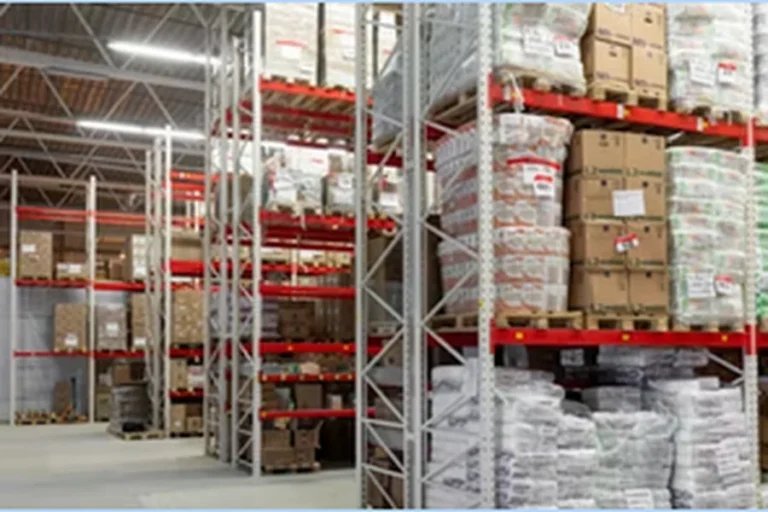
Warehouses and industrial properties may have large storage areas, loading bays, pallets, and numerous entry points. These environments can be challenging to monitor without a proper pest management programme.
Understanding these differences allows pest control professionals to create a treatment and prevention strategy that suits the actual property instead of applying the same solution everywhere.
Prevention Is More Effective Than Waiting for an Infestation
One of the biggest advantages of professional pest management is the ability to identify risks before they turn into larger problems. A site assessment can reveal possible entry points, food sources, moisture issues, waste management concerns, and areas where pests are likely to hide.
Small changes can sometimes make a significant difference. Sealing gaps around doors and walls, improving waste storage, keeping food areas clean, correcting drainage problems, and reducing unnecessary clutter can make a property less attractive to pests.
Professional treatment can then be used where necessary to address existing activity and reduce the likelihood of pests returning. This combination of treatment and prevention provides a more sustainable approach than relying on emergency pest removal whenever an infestation becomes visible.
Integrated Pest Management for Commercial Properties
Modern pest management often focuses on an integrated approach rather than relying entirely on chemical treatment. Integrated Pest Management, or IPM, combines inspection, monitoring, targeted treatment, and preventive measures to address pest activity at its source.
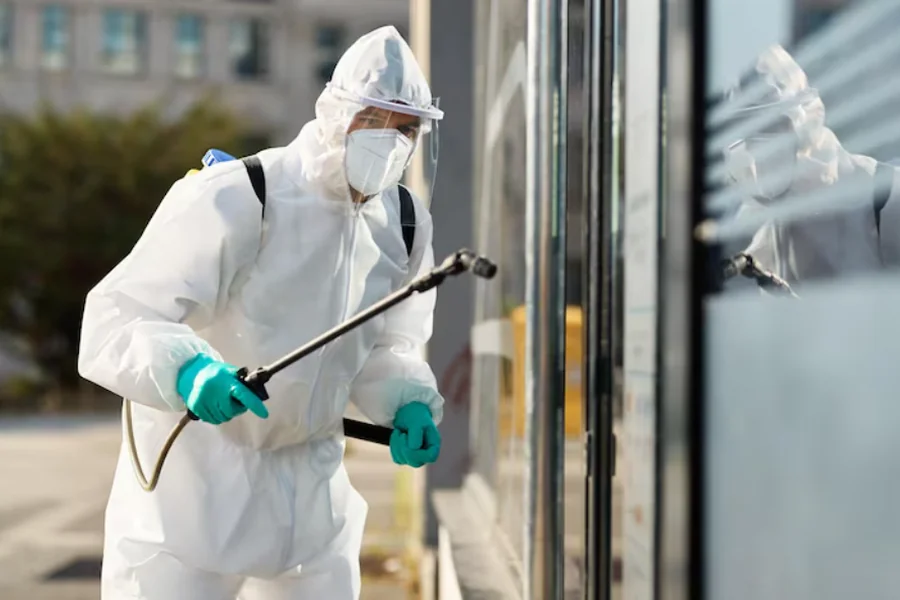
For a commercial property, this approach can be particularly useful because businesses need to maintain normal operations while managing pest risks. Technicians can inspect high-risk areas, identify signs of activity, monitor pest movement, and recommend measures that reduce future problems.
The treatment plan can also be adjusted based on the property’s pest history and changing conditions. This is useful for businesses that experience seasonal pest activity or have areas where pest pressure is consistently higher.
Why Regular Monitoring Matters
Treating an infestation once does not always mean the risk has completely disappeared. Pests can return when entry points remain open or when food, water, and shelter are still available. Regular monitoring helps businesses identify new activity before it becomes a larger concern.
Monitoring can also reveal patterns that may not be obvious during a single inspection. For example, repeated activity in one storage area could indicate a structural gap or another condition that needs to be corrected. Addressing the underlying cause can help reduce repeated treatments and unnecessary disruption.
For larger commercial properties, ongoing monitoring can provide facility managers with a clearer picture of pest activity and help them make better decisions about maintenance and prevention.
Choosing the Right Pest Control Partner
Selecting a pest control provider is an important decision for any business. Price is naturally a consideration, but companies should also look at experience, professional standards, treatment methods, response times, documentation, and the provider’s ability to work around business operations.
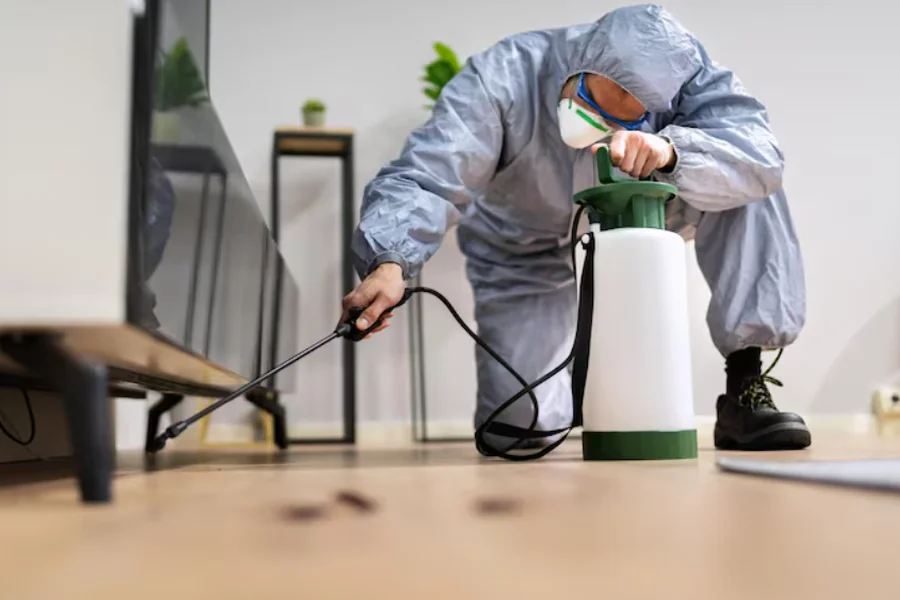
A good pest control partner should understand that commercial properties cannot always stop operating while treatments take place. Services may need to be scheduled outside peak business hours or arranged around deliveries, customer traffic, production schedules, or cleaning routines.
Clear service reports can also be useful for businesses that need to maintain records for inspections and internal compliance purposes. Having documented information about treatments, pest activity, and recommendations makes it easier to track the property’s pest management history.
Protecting Your Business Before Small Problems Become Big Ones
Pest control should not be treated as an afterthought. A small pest problem can become a much larger operational issue when it is ignored, especially in busy commercial environments where food, waste, storage, and regular foot traffic are present.
A proactive strategy allows businesses to identify vulnerabilities, respond to pest activity early, and keep their premises in better condition. It can also help protect stock, equipment, employees, customers, and the reputation that a business has worked hard to build.
With regular inspections, appropriate treatments, good housekeeping, and ongoing monitoring, businesses can create a stronger defence against common pests. The goal is not simply to remove pests after they appear but to create an environment where they have fewer opportunities to enter, hide, feed, and establish an infestation.