Poles Are Swapping the Plastic ID Card for the mObywatel App
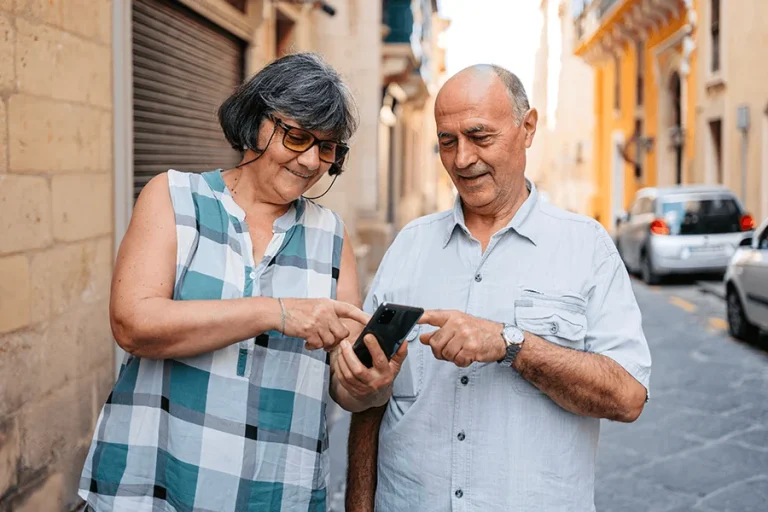
Walk into a Warsaw post office today and you may see someone slide a phone across the counter instead of a wallet card. The phone shows mObywatel, the Polish government app whose name roughly means “mCitizen”. It holds a digital identity document, and more Poles trust it every year.
The shift is not only about convenience. It reshapes how people prove who they are online, at the bank, and in shops. Even entertainment sites now lean on verified identity, and a page such as the spinfin casino login screen shows how age and account checks have become a routine part of everyday digital life. Government apps set the tone.
How the mDowód Works in Daily Life
The ID part of the app is called mDowód. Since 2020 it has had the same legal weight as the plastic dowód osobisty, the standard Polish identity card, for identification inside Poland. An officer, a clerk or a hotel receptionist has to accept it.
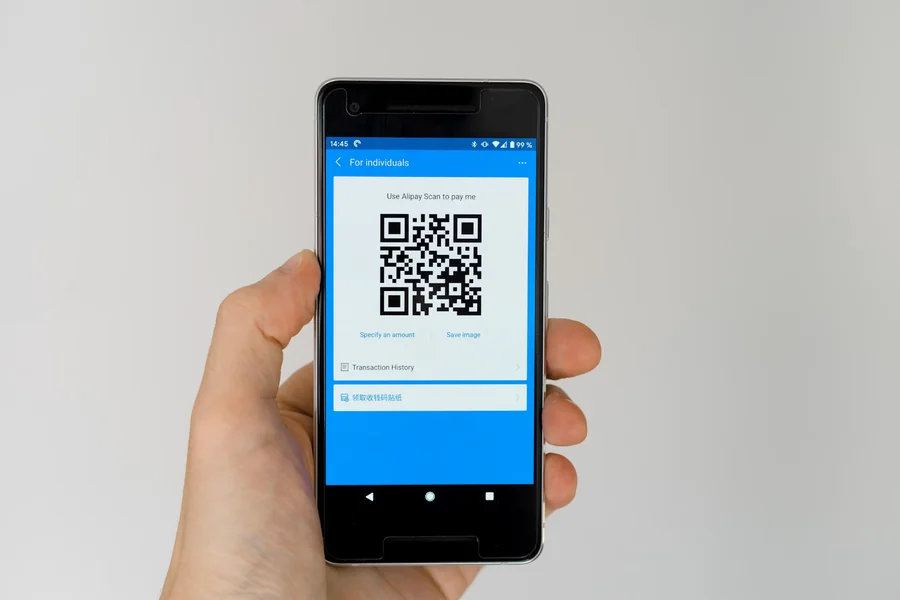
Activation is very quick. A single verification step through your online banking login or a government trusted profile unlocks the document, which then lands on your phone. After that, the data refreshes whenever the phone connects, so an address change shows up without a trip to the office. Sharing is the clever part. Instead of handing over a card, you can show a QR code that the other side scans to confirm the document is genuine. The steps are short.
- Launch mObywatel, then tap in your PIN or press a thumb on the sensor.
- Pick mDowód from there.
- Let the other person scan the code or read the screen.
What the App Does Beyond the ID Card
mObywatel started in 2017 as a modest tool and grew into a full service hub. A redesigned version arrived in 2024, and the list of features keeps expanding. Drivers can carry a digital licence, parents can handle some school and child benefit matters, and residents can check vehicle records.
Many Poles first noticed the app during errands. Reporting a lost document, requesting a certificate or checking a registration all moved from queues to a few taps. A morning that once meant taking time off work can now fit into a tram ride.
Why Banks and Shops Care About Digital ID
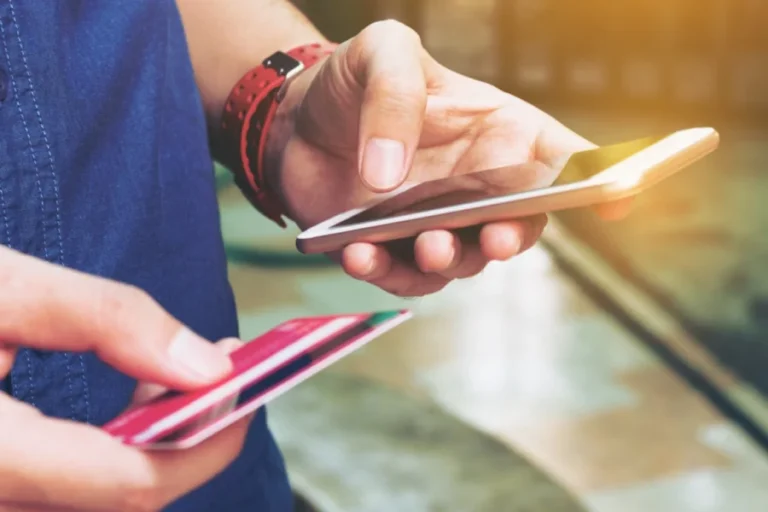
Payments in Poland already run on phones. BLIK, a six digit code system built into banking apps, handles online checkout and cash withdrawals without a card. Once people were comfortable approving money with a phone, approving identity the same way felt like a small step.
Banks like the idea because verification gets faster and cheaper. A customer can confirm who they are in minutes, without scanning documents or visiting a branch. Retailers selling age restricted goods, such as alcohol or tobacco, also gain a simple way to check a customer. Privacy matters here, too. The app lets users share only certain fields, so a shop can learn that someone is over 18 without seeing a home address. That is a real improvement over photocopying a card.
Plastic Card Versus Phone
Neither format wins everywhere, and the differences are practical rather than ideological. The comparison below covers the situations people ask about most often.
| Situation | Plastic card | mObywatel app |
| Identification in Poland | Accepted everywhere | Accepted by law |
| Travel inside the Schengen area | Usually enough | Not a travel document |
| Dead phone battery | Still works | Useless until charged |
| Sharing only your age | Shows all data | Can show selected fields |
| Address change | New card needed | Updates in the app |
Most users end up carrying both, at least for now. Often the laminated card sits in a coat pocket while the app works daily.
Limits That Still Apply
Border crossings are the clearest limit. Even within the Schengen area, where checks are rare, airlines and some officials still expect a physical card or passport. A phone that runs out of power at the airport is a problem no app can fix.
Older users face another hurdle. Setting up the app requires a smartphone, a bank login and some patience. Local offices still help with the process, and the plastic card remains valid, so nobody is forced to switch. A grandmother in a small town can simply keep the card in her purse and ignore the app entirely for years.
Security and Lost Phones
A lost phone sounds scary, but the app is protected by a PIN or biometrics, and the document can be disabled remotely. The data sits inside the application rather than in a photo gallery, which makes casual copying harder than with a scanned card.
Experts still advise the usual habits. Keep the system updated, avoid installing apps from unofficial stores, and never share your PIN. A digital ID is only as safe as the phone that carries it, and the same applies to every banking app you already use. The plastic card is not going away, but ask a commuter in Kraków which one they grab first on the way out the door, and the answer is increasingly the phone.