HY Meaning: What It Stands For, How It’s Used & Alternatives
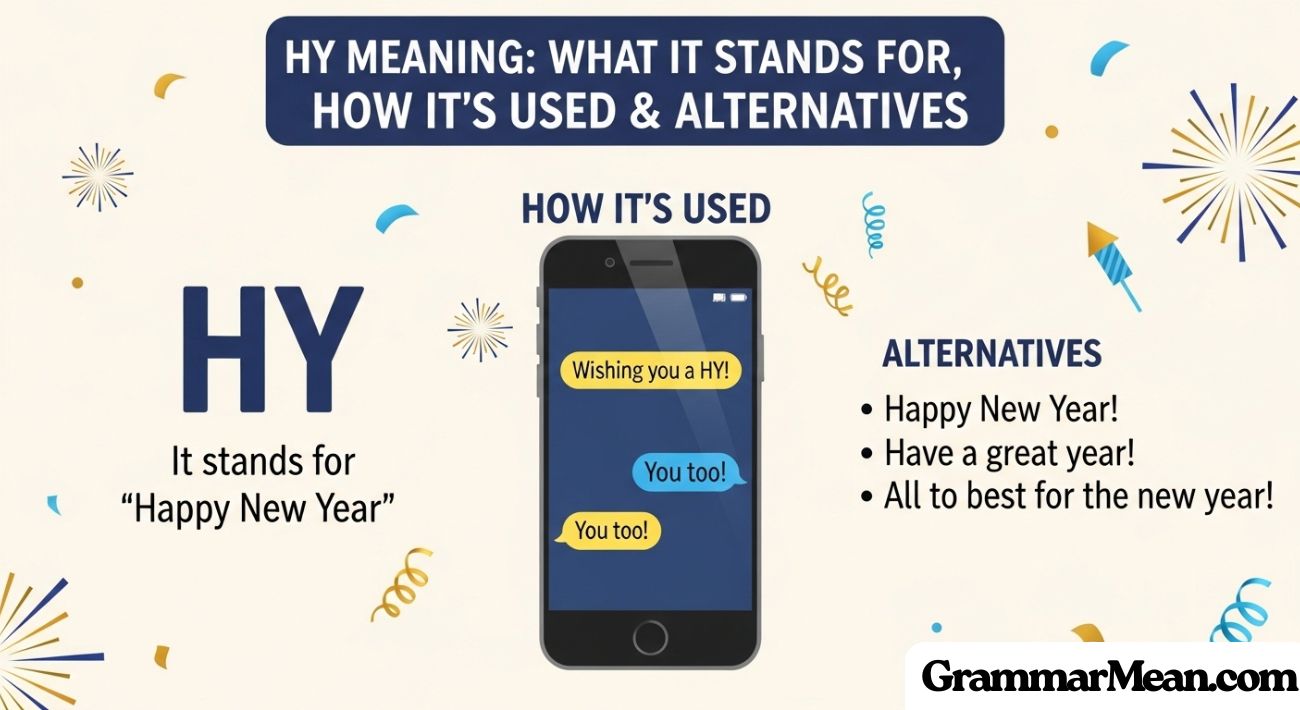
HY meaning in text usually stands for hiatus, which means taking a short break from activities or social media. People use it to show they are pausing but will return later. It is common in texting, chats, and online posts.
Many people see HY in messages and wonder what it means. It can catch your attention quickly. Knowing the meaning helps you understand messages better.
HY is mostly used by younger people online. It can also appear in casual chats or gaming. Understanding it helps you follow conversations and social updates easily.
What Does HY Mean?

The acronym HY has gained popularity in online conversations, text messaging, and social media platforms. Its meaning depends heavily on context. The most widely accepted interpretation of HY is hiatus, which signals a temporary pause from regular activities. However, depending on the setting, HY can also mean “Hey You” in a playful context or “Hell Yeah” in gaming chats. Understanding the tone and context of HY is essential to interpreting its message accurately.
1. HY = Hiatus (Most Common Use)
The most common meaning of HY is hiatus, which refers to a break or interruption from normal activities. People often use it to announce a social media hiatus, a content creator pause, or a period when they are not actively engaging in their usual tasks. For example, an Instagram influencer might post, “Taking a short HY from Instagram to focus on exams.” Here, HY communicates that the break is temporary and that activity will resume later.
Hiatus is not only used casually. Its roots lie in formal language, often referring to a temporary gap or interruption in continuity. In the online world, it signals that someone is temporarily unavailable without implying a permanent departure. Users on various platforms rely on HY to indicate a temporary leave from social interactions or responsibilities.
2. HY in Text Messaging
In text messaging, HY has multiple interpretations, but the most recognized one is still hiatus. Teenagers and young adults often use it in casual conversations to indicate a study break or a short vacation from social engagements. For instance, a student might text, “On a brief HY, studying for finals,” signaling that they will be less responsive temporarily.
However, context matters. In informal or playful chats, HY can also mean “Hey You,” creating a friendly tone, or “Hell Yeah” in online gaming communities. These alternative meanings are less common but highlight the versatility of HY in text messaging. Understanding the context of HY ensures you interpret its intent correctly, whether it’s a self-care break, a rest period, or simply a casual greeting.
3. HY in a Professional Context
Although HY is widely understood in casual and social media contexts, it is rarely used in professional settings. When it appears in a work email or message, it usually refers to a work sabbatical, time off, or a temporary leave from professional duties. For example, an employee may write, “I will be on HY next week for personal reasons,” but it is recommended to use more formal alternatives like leave of absence or time off in official communications.
Professionals should be cautious about using HY in emails or reports. While it may resonate with younger colleagues familiar with social media language, older audiences or clients may not understand the acronym. Using the full term “hiatus” or an appropriate professional alternative communicates clarity, professionalism, and respect.
What Does “Hiatus” Mean?

The term hiatus refers to a temporary interruption or pause in continuity. In entertainment, a show might go on hiatus between seasons, while in work, someone might take a mental health break or time off for personal reasons. In education, students may take a study break or a short vacation to manage stress and rejuvenate.
A hiatus is characterized by its temporary nature. It is a pause, not an end. For example, a content creator might announce a content creator pause saying, “My vlog is on hiatus for a week,” signaling that regular uploads will resume soon. The flexibility of the word makes it suitable for both formal and informal contexts.
Key Nuance
The key nuance of a hiatus is its implied return. It is not a permanent departure but a deliberate break intended for rest, reflection, or self-care. Unlike simply stopping an activity, a hiatus carries the connotation of resuming later. It is a temporary pause that allows people to recharge, whether it’s taking a break from social media, a short vacation, or a self-care break.
When and Why Do People Use HY or Hiatus?
People use HY or hiatus for various reasons. Often, it is a way to prioritize mental well-being, such as taking a mental health break to manage stress or anxiety. Students may use HY during study breaks or exam preparation periods. Content creators often announce a content creator pause to overcome creative burnout or plan new material.
Others may use HY as part of a social media hiatus or online break, temporarily stepping away from notifications and digital engagement. Vacations, personal obligations, or simply needing a rest period are also common reasons for taking HY. The common thread across all scenarios is the intention of returning after a temporary leave, reinforcing the concept of a break rather than a permanent stop.
11 Alternatives to “Hiatus” (With Examples)
While HY is widely understood in casual contexts, there are many alternatives to express a break or pause in different settings. Using these alternatives can ensure clarity and appropriateness depending on the audience.
1. Break
A break is the simplest and most universally understood term. Whether in professional or casual settings, it communicates a temporary pause in activity. Example: “I’m taking a short break from writing to recharge.”
2. Time Off
Time off is slightly more formal, suitable for workplace communication. Example: “I’ll be taking some time off starting next week to focus on personal matters.”
3. Pause
A neutral and versatile term, pause works well for digital content or casual contexts. Example: “The podcast is on pause while we regroup.”
4. Sabbatical
A sabbatical is a professional term often used in academia or long-term planning. Example: “She’s on sabbatical to explore new research opportunities.”
5. Downtime
Downtime is friendly and casual, often used in tech or creative fields. Example: “Planning some downtime to recover from burnout.”
6. Breather
An informal and relatable term, a breather implies a short-term rest. Example: “Taking a quick breather from social media notifications.”
7. Mental Health Break
A transparent and empathetic term, highlighting self-care. Example: “I’m taking a mental health break to focus on well-being.”
8. Recess
Light and playful, suitable for creative or educational contexts. Example: “The blog is in recess for a few weeks.”
9. Intermission
A stylish and creative alternative to a hiatus. Example: “This is just an intermission; we’ll be back soon.”
10. Cooling-Off Period
Professional and strategic, often used in business or conflict resolution. Example: “A cooling-off period has been scheduled to reassess the plan.”
11. Leave of Absence
Formal and suitable for HR or academic settings. Example: “He’s been granted a leave of absence for personal reasons.”
Read Also : Sniffies Meaning – What It Stands For, Text Usage & Polite Alternatives
Choosing the Right Alternative: Based on Context
Selecting the proper term for a break depends heavily on context and audience. In casual conversations with friends or family, phrases like break, breather, or pause feel natural and relatable. For social media posts, terms like downtime, mental health break, or on pause work well, keeping your audience informed while sounding approachable.
In professional emails, using formal alternatives such as leave of absence, time off, or sabbatical communicates seriousness, responsibility, and clarity.
Tone & Nuance: Why Word Choice Matters
The words you choose reflect tone and intention. Saying “I’m on a break” conveys casual relaxation, while “I’m on a sabbatical” projects professionalism and planning. A phrase like “I’m taking time off for self-care” shows emotional intelligence and transparency. Matching your language to your audience ensures your message is received positively, whether in personal, social media, or work contexts.
Should You Use HY or the Full Word?

Whether to use HY or the full word “hiatus” depends on your audience. Younger audiences, especially Gen Z and Millennials, are familiar with HY and its casual tone. In digital spaces like Instagram, Twitter, or group chats, HY works perfectly.
However, for a general audience, professional emails, or formal communication, it is safer to use “hiatus” or one of the alternatives like time off, leave of absence, or sabbatical. Clarity should always come first, ensuring that your message is understood by everyone.
Understanding HY Meaning
HY is a popular acronym in texting, social media, and casual conversation. Most commonly, it stands for hiatus, signaling a temporary pause from online activity, work, or personal responsibilities. People use it to communicate a break without implying a permanent stop, making it a versatile term in both casual and professional contexts.
While HY can have playful interpretations like “Hey You” or “Hell Yeah,” the dominant meaning remains hiatus. Its purpose is to inform friends, followers, or colleagues of a short vacation, study break, or rest period, showing that activity will resume later. Understanding this meaning helps avoid miscommunication in both online and offline conversations.
HY = Hiatus (Most Common Use)
The most recognized interpretation of HY is hiatus, which indicates stepping away from regular tasks for a mental health break, creative refresh, or personal reasons. This usage is common among content creators, students, and professionals seeking a temporary leave to focus on priorities. For example, a blogger might post about taking a content creator pause.
A hiatus signals that the break is intentional and temporary. Unlike ending a project, it reassures followers or colleagues that activities will resume. Whether taking a break from social media, online break, or time off, this term communicates a clear message about prioritizing self-care or productivity while maintaining transparency.
HY in Text Messaging
In texting, HY is versatile. While it usually indicates a hiatus, younger audiences might use it casually as Hey You in friendly chats. Gamers may also interpret it as Hell Yeah. Context is key; understanding the tone ensures the correct meaning is inferred. People often use it to indicate a pause notifications period or a short vacation from social interactions.
Texting with HY is common for students taking a study break or professionals signaling a temporary leave informally. It allows the sender to communicate absence efficiently while maintaining a friendly tone. Using HY in the right context avoids confusion, whether for a self-care break, rest period, or casual break from social media.
HY in a Professional Context
In professional settings, HY is rarely used. If it appears in emails or messages, it usually refers to a work sabbatical, leave of absence, or time off. Using it casually in formal correspondence may confuse recipients unfamiliar with online slang, so it’s often better to spell out “hiatus” or use alternatives for clarity.
Professionals often take HY for personal development, mental health, or project planning. For example, an employee might inform colleagues about a temporary pause in workflow or a work leave. Choosing appropriate language ensures the message is understood while signaling responsibility and respect for workplace norms.
What Does “Hiatus” Mean?

A hiatus is a temporary interruption in regular activities, often used to describe a break from social media, work projects, or academic commitments. The term emphasizes that the pause is short-term and not permanent. It is frequently associated with self-care breaks, rest periods, and rejuvenation for mental or physical health.
In entertainment and academia, hiatus indicates a pause with an expected return. For example, a TV show may go on hiatus between seasons, or a student may take a study break to recharge. This term ensures clarity in communication about temporary inactivity or online breaks.
When and Why People Use HY
People use HY for various reasons, including mental health, creative burnout, or personal obligations. It is often a social media hiatus, a content creator pause, or a short vacation. Announcing HY communicates the intention to pause temporarily while reassuring others of a future return.
Other reasons include taking a rest period or a temporary leave from work or study. Students may use HY during study breaks, while professionals might seek time off. The consistent theme is signaling absence without implying permanent disengagement, emphasizing wellness and responsibility.
11 Alternatives to HY and Hiatus
There are many alternatives to HY that suit casual, social media, or professional contexts. Words like break, pause, and breather work for casual conversations or a short vacation, while downtime and mental health break are appropriate for online engagement pauses.
For professional use, terms like leave of absence, time off, or sabbatical communicate clarity and formality. Choosing the right alternative depends on context, whether it’s a work sabbatical, temporary leave, or online break, ensuring that the message matches the audience and tone.
Should You Use HY or the Full Word?
Choosing between HY and the full word “hiatus” depends on your audience. Younger generations and social media users understand HY easily, making it suitable for informal communication. For professional settings, using “hiatus” or alternatives like leave of absence or time off ensures clarity and professionalism.
Using HY in the right context avoids confusion and communicates your intention clearly. Whether taking a break from social media, a self-care break, or a temporary pause, selecting the correct term ensures your message is respectful, understandable, and aligned with your audience’s expectations.
FAQs
What does HY mean in text?
HY usually means hiatus, indicating a temporary break from activities or social media.
What is the full form of HY?
The full form is hiatus, a temporary pause or interruption.
What does HU mean in slang?
HU often stands for How are you? in casual texting.
What does HYHY mean in slang?
HYHY is a playful way of saying Hi, hi or greeting someone repeatedly.
Conclusion
HY Meaning is most commonly associated with hiatus, signaling a temporary break across various contexts, from social media to professional work. Understanding the nuances of the word, when and why it’s used, and appropriate alternatives helps you communicate more effectively.
Whether you are taking a mental health break, a study break, a content creator pause, or a short vacation, choosing the right words ensures clarity, professionalism, and emotional awareness. By selecting the proper term, you can convey your message in a way that respects both the audience and the intention of the pause.