The Slow‑Speed Paradox: How Left‑Lane Lagging Fuels Crashes, Conflict, and Chaos on U.S. Highways
The Science Behind Speed Variation
Speed variance, not just speeding, is a critical factor in roadway safety. When one vehicle travels significantly slower than the surrounding flow, the entire traffic pattern becomes unpredictable. Drivers rely on consistent speeds to judge merging, braking, and lane changes.
Why It Matters
- Predictability reduces reaction time demands.
- Slow vehicles disrupt the natural rhythm of traffic.
- Rolling bottlenecks form quickly behind slow drivers.
The Left Lane as a High‑Risk Zone
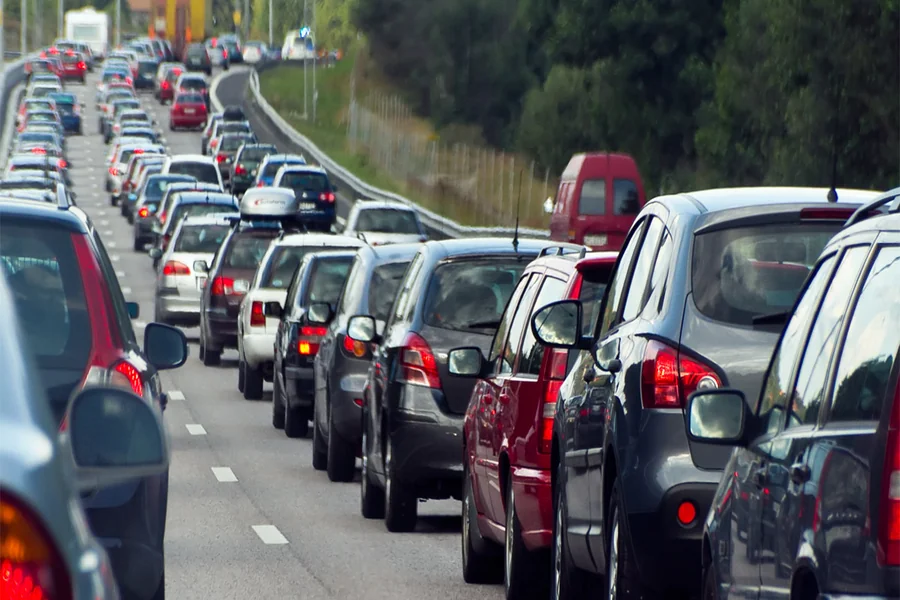
The left lane is intended for passing, but many drivers treat it as a cruising lane. H&P Law’s analysis shows that when a slow driver occupies the passing lane, congestion forms rapidly. Vehicles behind them brake suddenly, tailgate, or attempt risky maneuvers to get around the obstruction.
Resulting Behaviors
- Unsafe passing
- Weaving
- Tailgating
- Abrupt lane changes
- Passing on the right
These behaviors are repeatedly linked to fatal crashes.
High‑Speed States Face Greater Danger
States with 75+ mph speed limits experience larger speed gaps between vehicles. A slow driver in these conditions can create dangerous closing distances almost instantly.
Fatalities Linked to Slow Driving
| Category | Fatalities | Citation |
|---|---|---|
| Below minimum speed (interstates) | 99 | |
| Freeways/expressways | 26 | |
| Principal arterials | 24 |
Many drivers believe that traveling at the speed limit gives them the right to remain in the left lane indefinitely. But many states require drivers to move right if they impede traffic flow—regardless of their speed.
Public Awareness Is Low
AAA polling in Virginia found:
- Only 26% of drivers knew the state had a left‑lane law.
- Nearly half regularly encounter slow left‑lane drivers.
- 57% witness dangerous reactions such as weaving and tailgating.
Enforcement Trends
States are increasingly cracking down on left‑lane blocking:
- Colorado: 2,500+ stops in 2025.
- Connecticut: new enforcement begins 2026.
- Georgia: penalties up to $1,000.
- Texas: fines for improper lane blocking.
Transportation officials increasingly emphasize lane discipline as a core safety strategy.
Dangerous Reactions Triggered by Slow Drivers
Slow drivers often set off a chain of risky behaviors among surrounding motorists. Even if the slow driver is not directly involved in the crash, their presence can spark aggressive or unsafe maneuvers.
Unsafe Passing and Lane Weaving
Between 2020 and 2024:
- 297 fatalities tied to unsafe passing.
- 127 fatalities tied to wrong‑side or following‑related offenses.
- 2,920 fatalities tied to erratic lane changes.
Tailgating and Rear‑End Collisions
Rear‑end crashes are a predictable outcome of sudden slowdowns:
- 385 deaths from following too closely.
- New York: 40% of crashes are rear‑end collisions.
Road Rage and Aggressive Driving
Slow left‑lane driving is a well‑documented trigger for road rage. H&P Law’s review highlights:
| State | Road‑Rage Rate per 100k | Citation |
|---|---|---|
| New Mexico | 0.38 | |
| Tennessee | 0.32 | |
| Delaware | 0.29 | |
| Nevada | 0.24 |
States With the Highest Slow‑Driving Fatality Rates
Between 2020 and 2024, 2,087 interstate fatalities involved drivers traveling 50 mph or less.
| State | Fatality Rate | Citation |
|---|---|---|
| Wyoming | 0.58 | |
| South Carolina | 0.47 | |
| Alabama | 0.35 |
Impaired Drivers and Slow Speeds
Impairment does not always look like speeding. Research shows marijuana‑impaired drivers often travel below the speed limit, struggle with lane discipline, and react slowly—creating the same hazards as left‑lane slowdowns.
The Core Issue: Predictability
Traffic systems depend on predictable behavior. Sudden braking, erratic lane changes, and major speed differences reduce reaction time and increase crash risk. While slowing down is appropriate in poor weather or construction zones, on open highways, consistency with surrounding traffic is essential.