The Push for In‑Car Alcohol Detection: A Safety Breakthrough or a Public Flashpoint
As federal regulators move closer to requiring alcohol detection systems in all new vehicles, the debate over the future of DUI prevention has reached a critical point. Chaikin Trial Group has examined national crash data and the emerging technology to understand why the issue has become one of the most contentious in modern transportation policy.
A National Look at Impaired Driving
From 2020 through 2024, more than 31,600 impaired drivers were involved in fatal crashes. While the national rate has declined since 2021, impaired driving still accounts for about 30 percent of all roadway deaths. The data also reveals significant regional disparities.
States With the Highest Fatality Rates
Montana stands out with a rate of 9.06 impaired driver fatalities per 100,000 residents. The next highest states fall far below that figure, but still well above the national average.
| State | Rate |
|---|---|
| Montana | 9.06 |
| South Carolina | 4.11 |
| Wyoming | 3.91 |
| Colorado | 3.17 |
| Vermont | 3.08 |
Several states have maintained consistently low rates, including New York, Massachusetts, and the District of Columbia.
| State | Rate |
|---|---|
| Michigan | 0.14 |
| District of Columbia | 0.28 |
| Rhode Island | 0.45 |
| New York | 0.53 |
| Massachusetts | 0.55 |
What the New Technology Includes
The upcoming mandate centers on three categories of detection systems:
- Camera based systems that track eye movement and behavior
- Touch based sensors that measure blood alcohol concentration through the skin
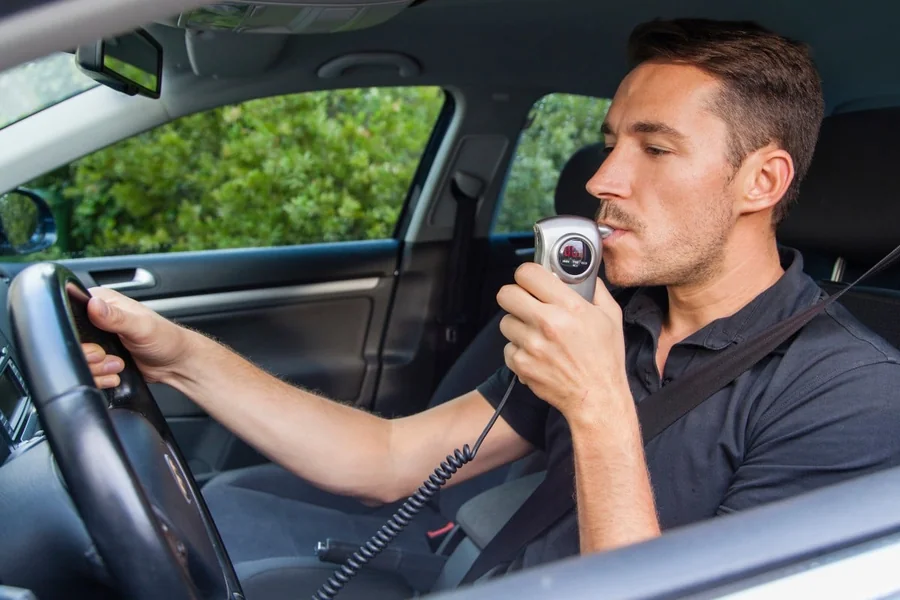
- Breath based sensors that analyze alcohol levels through steering column devices
These systems are designed to prevent a vehicle from starting if the driver is impaired.
Why the Technology Is Controversial
The debate is not limited to technical performance. Many drivers fear the systems could be used for surveillance or remote control. Claims about a kill switch have spread widely, despite the absence of any such mechanism in the law. Political challenges have already emerged, and more are expected.
Technical Challenges and Reliability Issues
False positives remain a major concern. Everyday products such as mouthwash or hand sanitizer can trigger elevated readings. Medical conditions may also interfere with results. There are additional questions about whether the systems can reliably differentiate between impairment and fatigue.
The possibility of a sober driver being stranded due to a false reading is one of the most serious unresolved issues.
Data Privacy and Commercial Use
Vehicles already collect and store large amounts of driver data. Some automakers have sold this information to third parties. The addition of biometric alcohol detection raises new concerns about how sensitive data may be used or monetized. Until these issues are addressed, public skepticism will remain strong.
The Path Forward
The potential benefits of the technology are significant. Projections suggest that thousands of lives could be saved each year once the systems are fully implemented. Yet the concerns surrounding accuracy, privacy, and public trust must be resolved before the technology becomes a standard feature. Chaikin Trial Group’s analysis highlights the need for careful planning and transparent communication as the nation approaches a major shift in vehicle safety.