
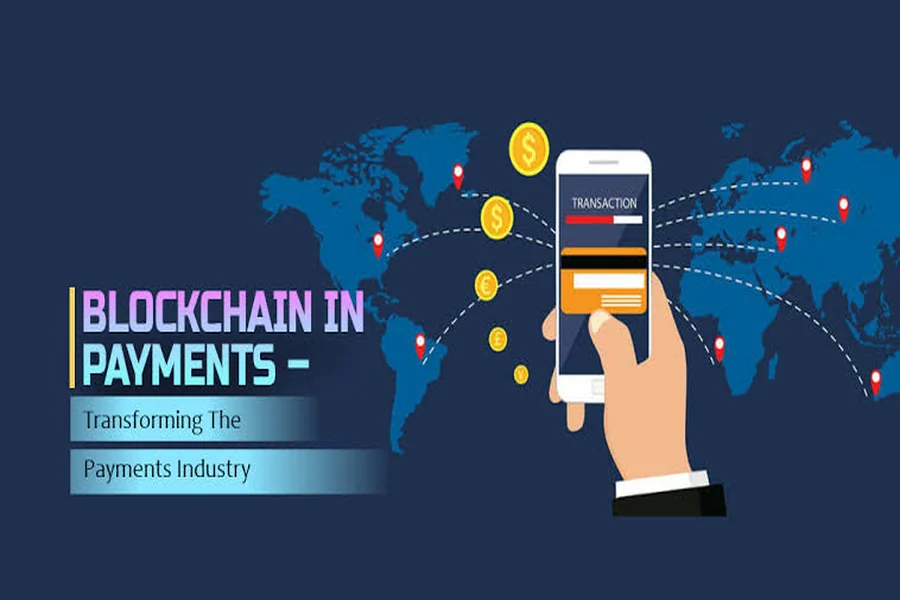
Transforming the Blockchain Invoice: The Mechanics of Configurable Payment Windows and Automated Reimbursements
The integration of decentralized networks into global enterprise commerce has fundamentally altered the parameters of transaction speed. Yet, while the velocity of blockchain settlements remains unparalleled, digital commerce demands a level of operational flexibility that extends far beyond near-instant processing. Real-world commercial functions—including corporate account funding, subscription models, complex hospitality bookings, and international enterprise agreements—frequently operate on extended administrative timelines that directly clash with traditional digital asset invoicing protocols.
According to information shared by CryptoNews, the modern digital economy requires more versatile transactional frameworks that accommodate protracted corporate workflows. To bridge the gap between rigid blockchain architecture and practical enterprise requirements, advanced payment processors have developed customizable “Payment Requests.” This structural tool allows existing platform merchants to depart from the traditional, short-lived 15-minute crypto invoice. Instead, companies can deploy tailored payment links featuring adjustable expiration windows that remain valid across minutes, hours, days, or weeks.
Mitigating Friction in Contemporary Digital Billing
Standard cryptocurrency invoices are intentionally designed with brief lifespans, primarily to shield merchants from market volatility and real-time asset fluctuations. While this mechanism serves immediate retail checkouts effectively, it introduces severe friction into the corporate procurement ecosystem. In typical business-to-business environments, an invoice rarely receives immediate payment; instead, it must navigate multi-tiered internal approvals, compliance reviews, or treasury routing. When a standard invoice expires mid-process, it triggers administrative delays, forcing the merchant to repeatedly regenerate billing details.
Configurable payment requests eliminate this repetitive loop by allowing expiration parameters to be dictated by operational needs rather than rigid software defaults. When a client accesses a persistent payment link, they are routed to a centralized, dedicated interface.
This secure digital dashboard consolidates all critical transaction metrics into a single viewpoint, displaying:
- Explicitly supported digital assets and cryptocurrencies
- Compatible and available blockchain network layers
- Real-time locked exchange rates for the transaction
- Precise, step-by-step routing instructions
This unified presentation structurally protects the transaction against common user errors, such as sending funds via incompatible blockchain networks or submitting incorrect asset quantities.
Overcoming the Operational Vulnerabilities of Crypto Refunds
Beyond the point of initial collection, the administration of returns and financial adjustments has historically stood as a significant bottleneck in cryptocurrency payment processing. Because blockchain transactions are inherently unidirectional, managing a reimbursement traditionally mandates extensive manual outreach. Merchants are often forced to communicate via unsecure off-chain channels to collect customer wallet addresses, creating auditing friction and exposing both parties to security vulnerabilities.
The contemporary payment request architecture solves this problem by embedding a standardized refund workflow directly into the merchant’s back-office dashboard. When an enterprise initiates a full or partial refund, the platform generates a unique, encrypted digital portal. The customer receives a secure link to this portal, where they can directly input their preferred destination wallet address. This loop eliminates manual email dependencies, centralizes data collection, and ensures that the entire reconciliation process remains securely contained within a single platform.
Core Applications in High-Value Enterprise Markets
The deployment of persistent billing windows is highly valuable in sectors where transactional finality is dependent on multi-stage operational milestones.
Primary use cases include:
- Institutional Account Deposits: Granting corporate entities ample time to execute deep-tier capital drawdowns from cold-storage custody solutions.
- B2B Procurement Protocols: Accommodating internal corporate spending reviews and multi-signature security delays without interrupting the checkout cycle.
- SaaS and Enterprise Subscriptions: Structuring renewal notices that remain active long enough to align with standard monthly or quarterly corporate accounting schedules.
- Logistics and Travel Bookings: Maintaining active escrow or deposit links while external service verifications and scheduling parameters are finalized.
By shifting away from brittle, short-lived payment links and incorporating secure, automated refund frameworks, advanced digital asset processors are establishing a highly resilient alternative for global supply chains and complex corporate financial ecosystems.