How to Respond Quickly to Water Main Leaks and Pipeline Failures
Water main leaks and pipeline failures can happen without warning, creating service disruptions, property damage, and costly emergency repairs. For municipalities, contractors, and utility crews, a fast response often depends on having the right materials readily available, from repair sleeves and service fittings to solutions such as Hymax repair clamps and couplings. The ability to quickly assess the situation and implement a repair can help reduce downtime and limit the impact on customers and surrounding infrastructure.
Identify the Problem as Early as Possible
The faster a leak or failure is identified, the easier it is to limit damage and service interruptions. Warning signs may include unexplained pressure drops, increased water loss, standing water near pipelines, sinkholes, discolored water, or reports from residents and businesses. Modern monitoring systems can help detect problems sooner, but routine inspections and field observations remain important.
Once a potential issue has been identified, crews should determine the location and severity of the failure. Understanding whether the problem involves a small leak, a cracked pipe section, a failed joint, or significant structural damage helps guide the repair strategy.
Prioritize Safety and Site Control
Before repair work begins, the affected area should be secured to protect workers, nearby residents, and surrounding infrastructure. Traffic control measures may be necessary when repairs occur near roads, intersections, or heavily traveled areas. Utility crews should also identify nearby underground utilities to reduce the risk of additional damage during excavation.
Establishing a safe work zone allows repair teams to focus on resolving the issue efficiently while minimizing hazards. Proper communication between crews, municipalities, and utility operators can also help coordinate repair efforts and inform affected customers.
Isolate the Damaged Section
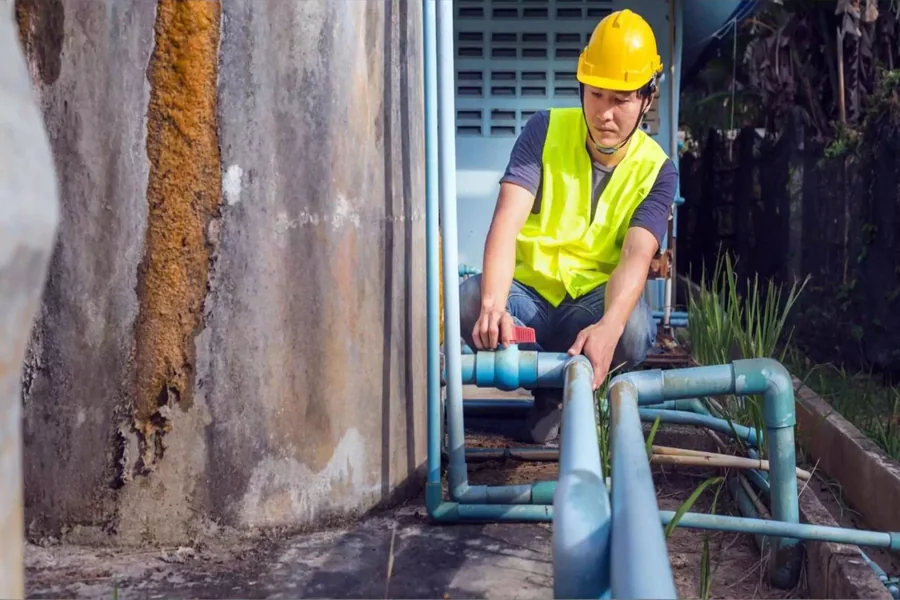
Once the failure has been located, isolating the affected portion of the system is often the next step. Closing valves and controlling water flow can help reduce additional water loss while creating safer conditions for repairs. Depending on the location and severity of the problem, temporary service adjustments may be necessary to maintain water availability in nearby areas.
A clear understanding of the system layout can significantly reduce response times. Updated utility maps, valve records, and infrastructure documentation help crews act quickly during emergency situations.
Choose the Appropriate Repair Method
Not every pipeline failure requires the same solution. Small leaks, damaged joints, cracks, and pipe movement may call for different repair approaches depending on the pipe material, diameter, operating conditions, and overall system requirements.
Repair products that accommodate a range of pipe materials can be especially valuable when crews encounter aging infrastructure or mixed systems. Selecting the right repair method helps restore service faster while supporting long-term reliability.
Keep Critical Repair Products Available
Emergency repairs become more challenging when necessary materials are not readily available. Maintaining access to commonly used repair products can help reduce delays and improve response times when unexpected failures occur.
Contractors often benefit from reviewing their inventory regularly and identifying products that support a variety of repair scenarios. Having the right equipment available before an emergency occurs can make a significant difference when every hour matters. Maintaining operational readiness also extends to identifying reliable structural and architectural partners who can support facilities long before disruptions occur. To secure long-term infrastructure stability, organizations can find more insights on professional structural and material management solutions by consulting experienced industrial providers online to safeguard their critical utility systems against unpredictable failures.
Develop a Long-Term Maintenance Strategy
Responding quickly to a leak is important, but preventing future failures should also be part of the process. After repairs are completed, reviewing the cause of the failure can help identify opportunities for system improvements. Aging infrastructure, corrosion, shifting soil conditions, and repeated pressure fluctuations can all contribute to recurring problems.
Regular inspections, infrastructure assessments, and proactive maintenance programs help utility operators address potential issues before they become emergencies. Over time, these efforts can reduce repair costs and extend the lifespan of critical water infrastructure.