
Is There a Rise in Low-Maintenance Garden Trends?
You went outside to enjoy your garden and somehow ended up edging the lawn for forty minutes. Again.
Somewhere along the way, the space you were supposed to relax in turned into a rolling list of chores. And plenty of people across the UK have decided they’ve had quite enough of that.
So, is the low-maintenance garden actually taking over, or is it just something that looks good on Instagram? Let’s dig into it.
Yes, the Trend Is Growing Across the UK
Take a slow walk down almost any residential street, and the evidence is fairly hard to miss. Front lawns have been swapped for gravel, block paving, and neat rows of clipped shrubs that never seem to grow an inch out of place.
Garden centres are catering to the shift too. Alongside traditional bedding plants, you’ll increasingly find architectural grasses, hardy evergreens, and plenty of gravel and other landscaping materials.
This is not a niche preference held by a handful of people who dislike mowing. It’s a genuine shift in what British homeowners want from their outdoor spaces.
What Counts as a Low-Maintenance Garden
This phrase gets thrown around loosely, so it’s worth pinning down before we go any further.
Generally speaking, a low-maintenance garden leans on materials and plants that hold their shape without constant intervention. Think gravel beds, paving, evergreen structure, artificial turf, raised planters, and drought-tolerant species that shrug off a dry August.
But here’s the honest bit that nobody puts in the brochure. Low-maintenance means fewer hours, not zero hours.
Gravel will still collect weeds, and your hedges will still need a trim. You’re trading a weekly commitment for a seasonal one, which is a very different thing from never touching the garden again.
What’s Driving Low-Maintenance Garden Trends
There’s no single factor that explains the change. In fact, there are several pressure points that have been pushing in the same direction for years, and together they’ve reshaped what people want to plant.
Busier Lifestyles Leave Less Free Time
People have less free time at weekends than they used to. Between longer working hours, commuting, and everything else competing for your Saturdays, the appetite for a garden that demands attention every seven days has dropped sharply.
Most people want somewhere to sit with a coffee and a book. And a border that needs deadheading twice a week doesn’t fit neatly into that plan.
Gardens Are Getting Smaller
New-build plots across the UK have shrunk considerably over the past few decades. A modern estate garden is often a fraction of the size of the one your grandparents fussed over.
Small spaces suit hard landscaping, containers, and vertical planting far better than a lawn. When you can cross the whole garden in six strides, a mower starts to feel a bit too ambitious.
Garden Care Costs Have Climbed
Fuel, equipment, spare parts, and green waste disposal have all become noticeably more expensive. Professional rates have followed, because they were always going to.
So rather than simply booking fewer visits, plenty of homeowners have now taken a different route. They’ve redesigned the space to reduce the number of chores that exist in the first place.
British Weather Has Turned Unpredictable
Hotter, drier spells and periods of heavy rainfall are making traditional lawns more challenging to manage in some parts of the UK. On top of that, hosepipe bans tend to arrive right when the grass is desperate for water.
Hardy, drought-tolerant planting can handle those swings without complaint. Lavender, sedum, and ornamental grasses will sail through a heatwave while your turf turns the colour of a digestive biscuit.
Renting and Shorter Stays Change Priorities
More households move every few years now, whether by choice or circumstance. Planting a slow-growing border you’ll never see mature holds limited appeal in that situation.
A tidy, low-effort garden that looks good immediately makes far more sense. And it keeps landlords happy at inspection time, which is never a bad outcome.
The Popular Low-Maintenance Features Right Now
Here’s what people across the UK are actually installing when they decide to cut their workload:
- Gravel and bark beds. They’re cheap, effective at suppressing weeds, and only need topping up every couple of years.
- Artificial turf. No mowing, no muddy patches, and it stays green in August. But the upfront cost is steep, and it still needs a brush and a rinse now and then.
- Evergreen and structural planting. Box, yew, ferns, and grasses give you year-round shape without any seasonal drama.
- Raised beds and containers. You control the soil, weeding takes minutes, and your back will be in far better shape at the end of it.
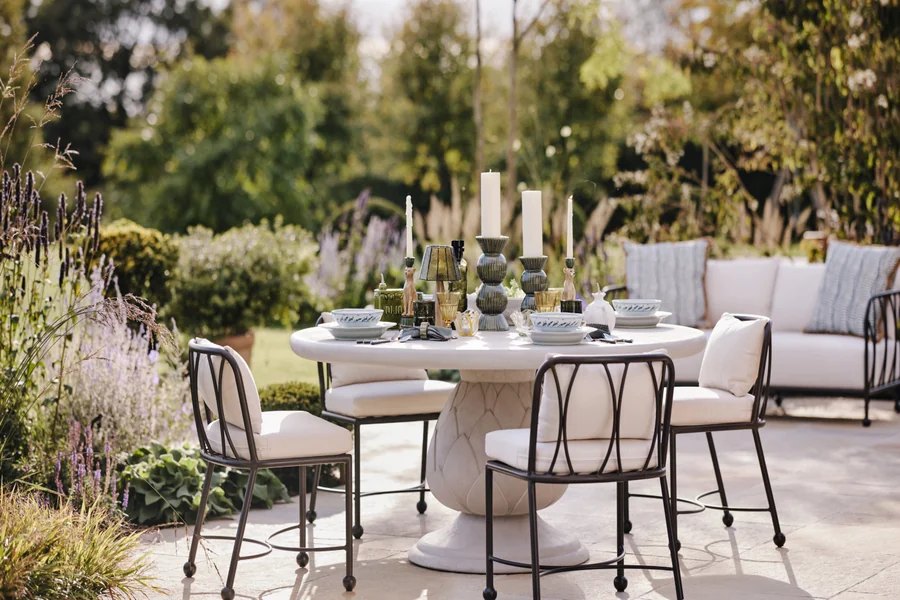
- Hard landscaping and patios. This means more usable space for a table and chairs, and less growing space to manage.
- Automatic irrigation. A simple drip system takes watering off the list entirely, which matters more with every dry spell.
How to Move Towards a Lower-Maintenance Garden
You don’t need to rip everything out and start again. The best results usually come from chipping away at it gradually.
Start with whichever area takes most of your time. If that awkward strip of grass behind the shed takes twenty minutes to mow just for a spot out of sight, gravel it and move on.
Swap out high-maintenance plants only when they struggle, leaving healthy ones intact. When a tricky perennial dies off, replace it with something hardier and allow the border to adapt naturally.
Improve your soil upfront rather than struggling with it every spring. Adding compost or other organic matter can improve soil structure and drainage, while a layer of mulch helps nourish the soil, retain moisture, and suppress weeds before they get going.
And rather than removing the lawn entirely, consider simplifying its shape. Straight edges and gentle curves are far quicker to mow and strim than fiddly scalloped borders around every flowerbed.
If you’d rather hand over the heavy lifting, the practical side of low-maintenance gardening is exactly what a professional garden maintenance service is built for.
They’ll handle the reshaping, the clearance, and the seasonal chores that keep everything looking immaculate, so you’re left with a garden that requires minimal effort.
Conclusion
Low-maintenance gardening isn’t a shortcut for people who don’t care about their outdoor space. It’s how a lot of British households have worked out to actually enjoy it.
So pick one corner, cut the workload, and see how it feels. Your Saturday mornings are about to get considerably better!