HanoDecor Review: Can AI Really Replace Interior Designers?
Should You Trust AI With Your Home Design?
If you’re planning a renovation, you’ve probably asked yourself this at some point:
“Do I really need an interior designer, or can I just use AI tools?”
It’s a fair question.
Design services can be expensive, time-consuming, and sometimes overwhelming. At the same time, AI tools are becoming more advanced, offering instant design ideas with just a photo upload.
Platforms like Hanodecor are leading this shift, giving you the ability to visualise your space in minutes. But does that mean AI can actually replace interior designers?
The answer isn’t as simple as yes or no. It depends on how you use it and what you expect from the process.
What Hanodecor Actually Does
Before comparing anything, you need to understand what the tool is built for.
Hanodecor is an AI-powered design platform that allows you to:
- Upload a photo of your room
- Apply different interior styles
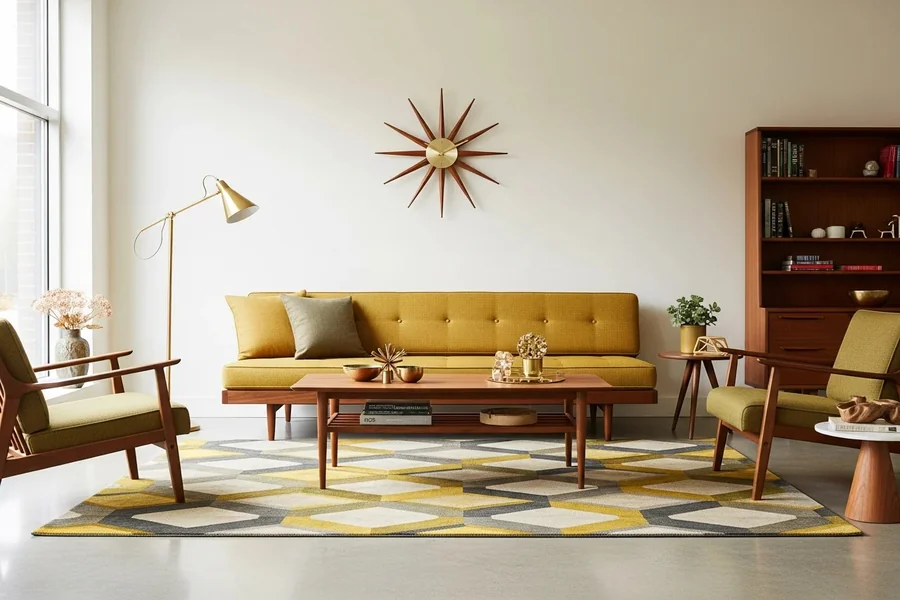
- Generate realistic design previews
Instead of working from scratch or imagining outcomes, you get visual results almost instantly.
This makes it especially useful when you’re:
- Exploring ideas
- Testing styles
- Planning a renovation
It’s not trying to replace creativity—it’s speeding up the process of seeing possibilities.
How Interior Designers Work (Traditional Approach)
To understand the difference, you need to look at how interior designers typically operate.
When you hire a designer, they:
- Analyse your space
- Understand your lifestyle and needs
- Suggest layouts and styles
- Source materials and furniture
- Coordinate with contractors
This process is highly personalised.
It’s not just about how your space looks—it’s about how it functions, feels, and fits your daily life.
But it also comes with:
- Higher costs
- Longer timelines
- Multiple revisions
That’s where AI tools start to offer a different kind of value.
Where AI Tools Like Hanodecor Excel
When you use an AI design tool, the first thing you notice is speed.
Instead of waiting days for concepts, you get results in seconds.
1. Instant Visualisation
You don’t have to imagine how your room will look. You can see it.
This alone solves one of the biggest problems in renovation—uncertainty.
You can test:
- Colour schemes
- Layout ideas
- Material combinations
And see how they actually work in your space.
2. Multiple Design Options
Instead of committing to one concept, you can explore many.
You might start with a modern design and then try:
- Minimalist
- Luxury
- Scandinavian
This flexibility helps you discover styles you might not have considered.
3. Cost Efficiency
Hiring a designer can be expensive, especially for smaller projects.
With AI tools, you can:
- Generate ideas for free or at a lower cost
- Reduce the need for multiple consultations
- Avoid costly mistakes
You’re essentially doing the early design phase yourself.
4. Ease of Use
You don’t need design experience.
The process is simple:
- Upload a photo
- Choose a style
- Generate results
This makes it accessible to anyone, regardless of skill level.
Where Interior Designers Still Win
Even with all the advantages of AI, there are areas where human designers still have an edge.
1. Personalisation
AI tools work based on patterns and data. Designers work based on you.
They consider:
- Your lifestyle
- Your habits
- Your long-term needs
This level of personal understanding is difficult for AI to fully replicate.
2. Functional Design
A room isn’t just about appearance.
Designers think about:
- Movement flow
- Storage efficiency
- Lighting placement
- Practical usability
AI can suggest layouts, but it doesn’t always account for real-life use in the same way.
3. Material and Product Selection
Designers don’t just create concepts—they help you source materials.
They know:
- What works in real conditions
- What fits your budget
- What lasts long-term
AI shows possibilities, but it doesn’t manage execution.
- Project Coordination
Renovation involves multiple moving parts.
Designers often:
- Work with contractors
- Manage timelines
- Oversee implementation
This is something AI tools don’t handle.
So, Can AI Replace Interior Designers?
If you’re expecting a full replacement, the answer is no.
But that doesn’t mean AI isn’t powerful.
The better way to look at it is this:
AI doesn’t replace designers—it replaces the early guesswork.
Before, you had to:
- Imagine designs
- Wait for concepts
- Pay for revisions
Now, you can:
- Explore ideas instantly
- Narrow down your preferences
- Enter the design process with clarity
This actually makes the designer’s job easier if you choose to hire one later.
How You Should Use Hanodecor (Best Approach)
From a practical standpoint, the smartest way to use AI tools is as a starting point.
You can:
- Upload your space
- Test multiple styles
- Identify what you like
Once you have a clear direction, you can decide:
- Move forward on your own
- Or bring in a designer for refinement
This hybrid approach gives you the best of both worlds.
When You Might Not Need a Designer
There are situations where AI tools like Hanodecor are more than enough.
For example:
- Small renovations
- Cosmetic updates
- Style experimentation
- Budget-conscious projects
If your main goal is to visualise and decide on a look, AI can handle that effectively.
When You Should Still Consider a Designer
For larger or more complex projects, a designer still adds value.
You may need one if:
- You’re changing layouts significantly
- You need structural adjustments
- You want a highly customised space
- You need help managing the project
AI helps you plan, but designers help you execute.
The Real Advantage: Better Decision-Making
The biggest benefit of using AI tools isn’t replacing professionals—it’s improving your decisions.
When you can see your space clearly:
- You make faster choices
- You avoid second-guessing
- You reduce mistakes
This leads to a smoother renovation process overall.
Final Thoughts
AI tools like Hanodecor are changing how you approach home design.
They give you something that was missing before—clarity.
You don’t have to rely on imagination or guesswork anymore. You can explore ideas, test styles, and see results instantly.
Interior designers still play an important role, especially for complex projects. But AI has transformed the early stages of design into something faster, easier, and more accessible.
In the end, it’s not about choosing one over the other.
It’s about using the right tool at the right time—and making smarter decisions before you spend your money.