
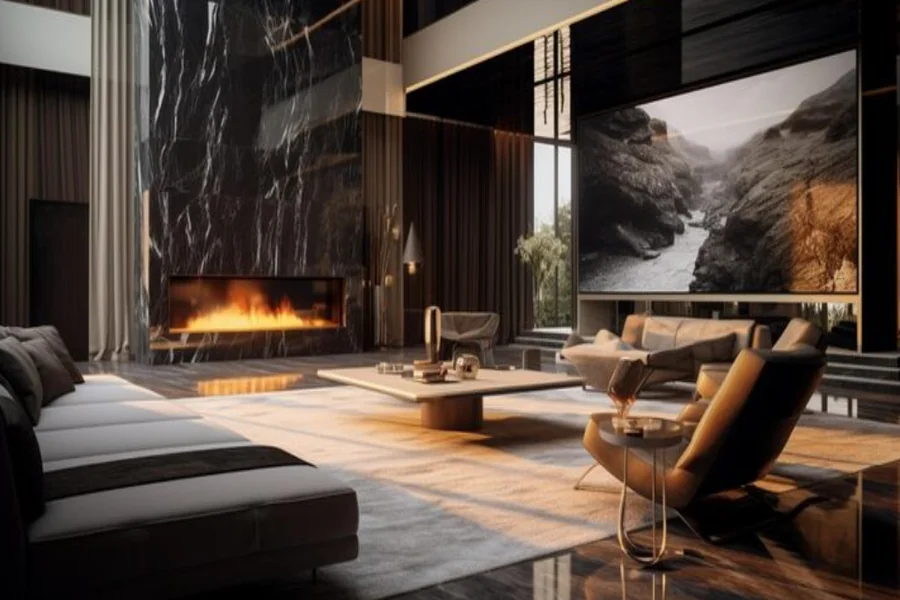
Thoughtful Design Creates a More Refined Luxury Home in Singapore
A luxury home is not simply a property filled with expensive furniture, impressive finishes, or decorative features. The most successful interiors are carefully planned around the people who live in them. Every room should feel comfortable, organised, and connected to the rest of the home. This is where luxury interior design can make a meaningful difference, particularly for Singapore homeowners who want a sophisticated space without sacrificing everyday practicality.
Luxury Begins With Understanding How You Live
Before choosing colours, furniture, or materials, it is important to understand how a home will actually be used. A family with young children may have very different requirements from a couple who regularly entertain guests. Someone who works from home may need a dedicated workspace, while another homeowner may place greater importance on an expansive living room or a private bedroom.
Good design begins with these everyday habits. Instead of forcing a particular style onto a property, the interior should respond to the lifestyle of the household. This creates a space that feels natural rather than simply looking impressive.
For homeowners in Singapore, this approach can also help make the most of available space. Whether the property is a condominium, terrace house, semi-detached home, or larger landed residence, thoughtful planning can make rooms feel more comfortable and purposeful.
Creating a Strong Sense of Space
One of the defining characteristics of a refined interior is the way space is handled. A room does not necessarily need to be large to feel spacious. The arrangement of furniture, storage, lighting, colours, and sightlines can all influence how open a room appears.
In a condominium, for example, careful planning can help avoid unnecessary visual barriers. Full-height cabinetry can provide storage while maintaining a clean appearance, while furniture can be positioned to preserve natural movement through the living area.
Larger landed properties have different opportunities. Multiple floors, generous rooms, outdoor areas, and higher ceilings can create impressive spaces, but they also require careful proportion. Without proper planning, a large room can feel empty or disconnected. The goal is to give every area a clear purpose while maintaining a consistent design throughout the property.
Choosing Materials That Feel Sophisticated
Materials have a strong influence on the atmosphere of a home. Stone, timber, metal, glass, fabrics, and textured surfaces can all contribute to a sophisticated interior when they are used thoughtfully.
Luxury does not necessarily mean covering every surface with expensive materials. In many cases, using fewer materials consistently can create a stronger result. A carefully selected combination of stone, timber, and metal can provide enough contrast without making the space feel visually crowded.
The way materials age should also be considered. A finish that looks attractive when newly installed may not necessarily remain appealing after years of everyday use. Selecting durable materials that develop character over time can help the interior maintain its quality and relevance.
This is particularly important for homeowners who plan to stay in their property for many years. The design should be able to remain attractive even as furniture, personal belongings, and family routines change.
Lighting Can Transform the Mood of a Home
Lighting is sometimes treated as a finishing detail, but it can have a major impact on the overall design. Natural light can make rooms feel larger and more inviting during the day, while carefully planned artificial lighting can create a warmer atmosphere after sunset.
Different layers of lighting can also give homeowners greater flexibility. General lighting can provide overall visibility, task lighting can support specific activities, and accent lighting can draw attention to architectural features or artwork.
In a luxury interior, lighting should work quietly in the background. It should support the room rather than compete with furniture or decorative features. When planned from the early design stages, lighting can also be integrated into ceilings, cabinetry, walls, and other architectural details for a cleaner appearance.
Making Storage Part of the Architecture
Clutter can quickly affect the appearance of even the most carefully designed home. Everyday items need somewhere to go, and poorly planned storage can lead to rooms becoming crowded with separate cabinets and furniture.
Integrated storage offers a more seamless alternative. Custom cabinetry can be designed around the dimensions of a room and incorporated into walls, bedrooms, living spaces, or other areas where storage is required.
The advantage is not simply having more storage. Well-planned cabinetry can make the architecture itself feel more organised. Doors, handles, colours, and finishes can be selected to complement the surrounding space, allowing storage to become part of the design instead of standing out from it.
For smaller Singapore homes, this can be particularly valuable because every part of the available space needs to work efficiently.
Keeping the Interior Personal
A luxury home should still feel like someone’s home. A perfectly styled property can lose its character if it looks too generic or disconnected from the people who live there.
Personalisation can come through artwork, furniture, photographs, books, decorative objects, fabrics, or even the way rooms are arranged. These details tell the story of the household and give the interior a sense of identity.
A designer’s role is not necessarily to fill every available space. Sometimes leaving room for personal belongings and meaningful objects creates a more authentic result. The finished home should feel considered without becoming so carefully controlled that it no longer feels lived in.
Balancing Modern Style With Long-Term Appeal
Interior trends can change quickly, making it tempting to follow the latest colours, materials, or furniture styles. However, major renovations are significant investments, so designing entirely around a short-term trend may not always be practical.
A more timeless approach focuses on proportion, quality, comfort, and consistency. Contemporary details can still be included, but they should work with the overall architecture rather than dominate it.
This does not mean a luxury home needs to be plain. Rich textures, distinctive furniture, artwork, and carefully selected finishes can add personality while still allowing the design to remain relevant for years.
Summerhaus D’zign, for example, describes its approach as modern luxury that places emphasis on proportion, materials, lighting, functionality, and bespoke design rather than excessive decoration. The studio works on private residential properties in Singapore, including landed homes and high-end condominiums.
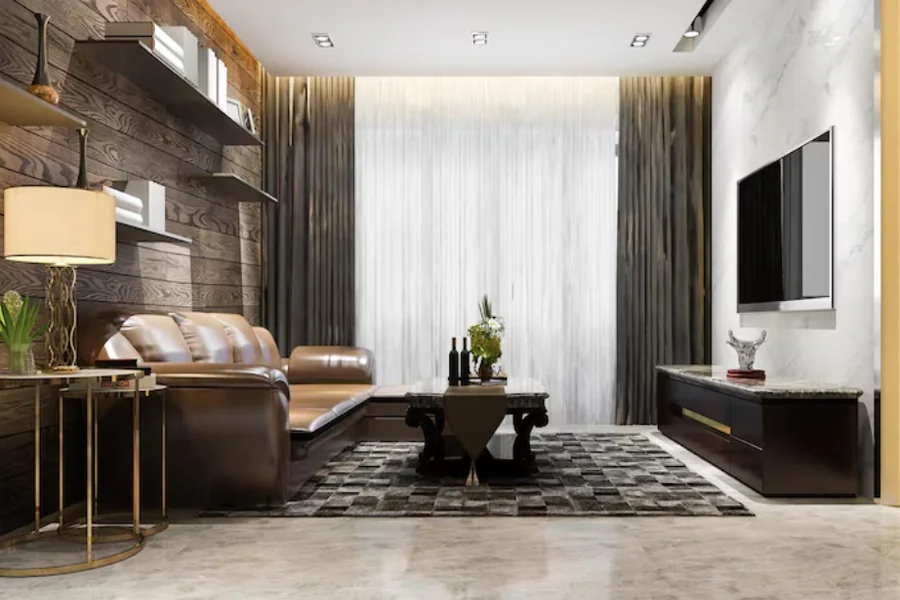
Designing Different Types of Singapore Homes
The design strategy can change considerably depending on the type of property. A condominium often requires careful work within existing structural limitations, while a landed property may provide greater flexibility for changing layouts and creating connections between different levels.
Penthouses can introduce additional considerations such as double-volume spaces, multiple floors, expansive views, and roof terraces. These larger architectural features need to be balanced carefully so that the home remains comfortable rather than feeling overly grand.
Landed homes and bungalows can also benefit from a bespoke approach because their layouts and proportions can vary significantly. The design needs to respond to the property itself rather than applying the same concept repeatedly.
Creating Luxury That Feels Natural
The strongest luxury interiors are often the ones that do not try too hard to appear luxurious. Instead of filling a home with features simply because they are expensive, thoughtful design gives every element a reason to be there.
A comfortable sofa in the right position, concealed storage that keeps everyday items organised, warm lighting in the evening, and carefully selected materials can have more impact than excessive decoration. When these details work together, the home feels calm, polished, and easy to live in.
For Singapore homeowners planning a high-end renovation, the most important step is therefore not simply choosing a particular style. It is developing a design that understands the property, reflects the household and remains practical over time.
When luxury, comfort, functionality, and personal character are brought together, an interior can become much more than an attractive space. It can become a home that feels distinctive, welcoming, and genuinely suited to the people who live there.