Icon Hề: The Clown Face Everyone Keeps Sending (And What It Really Means)
You open a group chat. Someone shares a story about their day. Then, boom, the clown face shows up. No words. Just the icon. And somehow everyone in the chat knows exactly what it means.
That little clown symbol is called icon hề, and it has become one of those things you see so often you stop noticing it. Until you actually try to explain it to someone else. Then you realize you don’t have a clean answer.
So let’s fix that. This article walks through what icon hề actually means, why people started using it, and how it shows up across different apps. No fluff. Just the straight explanation.
What Does Icon Hề Actually Mean
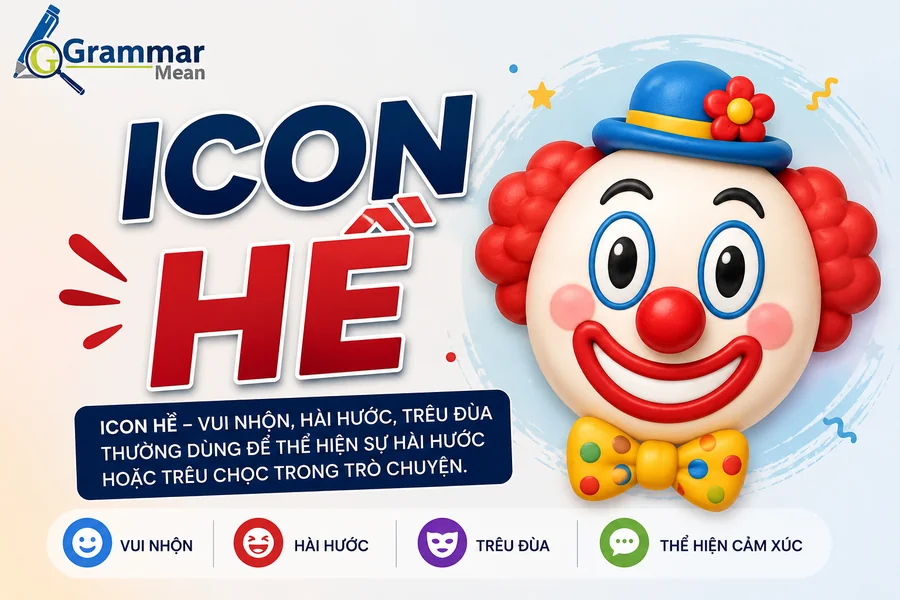
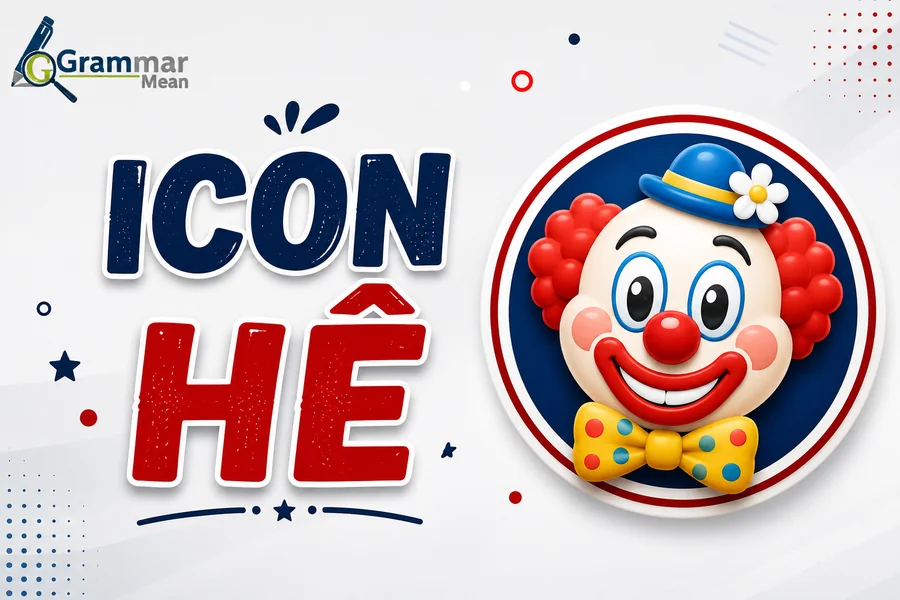
Icon hề is the Vietnamese name for the clown emoji, the one with the red nose and the painted smile. “Hề” simply means clown or joker in Vietnamese. But the meaning behind the icon goes deeper than the word itself.
People don’t send this emoji because they think clowns are funny. They send it as a reaction. Something went wrong. Someone made a bad choice. A plan fell apart in the most predictable way possible. The clown face steps in for all of that, in a single tap.
Think of it as a digital eye roll mixed with a laugh at yourself. It’s rarely mean. It’s mostly honest.
Quick Fact Table: Icon Hề at a Glance
| Fact | Meaning |
| Origin | Vietnamese slang term paired with the clown emoji |
| Literal Translation | “Hề” translates to clown or joker |
| Core Use | Reacting to mistakes, awkward moments, bad decisions |
| Tone | Playful, sarcastic, mostly self-aware |
| Where It Grew | Facebook and TikTok comment culture in Vietnam |
| Now Seen On | TikTok, Instagram, Zalo, Facebook, and brand captions |
Where This Whole Thing Started
Nobody woke up one day and invented the clown emoji. It’s been sitting in emoji keyboards for years, mostly ignored. What changed is how Vietnamese users on Facebook and TikTok started attaching it to specific situations.
Someone posts about missing a bus they were early for. Clown face. Someone shares a screenshot of texting their ex at 2 am. Clown face again. The pattern caught on fast because it worked every single time.
From there, the trend spread the way most internet habits do. A few big accounts used it. Comment sections picked it up. Then it became shorthand, the kind of thing you don’t question anymore; you just use it.
Social Media Structured Snippet: Icon Cá Hề in Real Use
| Platform | Example Use | What It Signals |
| TikTok Comments | Someone comments “🤡” under a bad decision video | Calling out a clearly foolish move |
| Facebook Captions | A person posts their own fail with the icon attached | Owning the mistake before anyone else can |
| Instagram Stories | Reacting to a surprising or ironic plot twist | Playful shock, not real anger |
| Group Chats | Sending it after a joke that didn’t land | Admitting the joke flopped, no hard feelings |
| Brand Marketing | A caption uses it to sound less corporate | Trying to feel human instead of scripted |
Why People Can’t Stop Using Icon Hề Emoji
Here’s the honest reason. It’s fast. Typing out “wow I really messed that up” takes effort. Tapping one emoji takes half a second.
There’s also something satisfying about calling yourself out before anyone else can. If you post your own fail and slap a clown face on it, you’re already in on the joke. Nobody can laugh at you harder than you’re already laughing at yourself.
Brands noticed this too. A relatable caption with the icon hề feels less like marketing and more like a friend texting you. That’s why you’ll spot it in ads now, not just personal posts.
Short Answers: Icon Hề
| Question | Short Answer |
| What does icon hề mean? | It’s the clown emoji, used to react to foolish or awkward moments online. |
| Is icon hề meant to insult someone? | Usually not. It’s playful teasing, rarely a real insult. |
| Where did icon hề come from? | It started in Vietnamese social media slang, paired with the clown emoji. |
| What emoji is icon hề? | The 🤡 clown face emoji is the icon hề. |
| When should you use icon hề? | Use it for mistakes, awkward fails, or ironic situations. |
| Is icon hề only used in Vietnam? | It started there but is spreading to other online communities now. |
How People Actually Use It Day to Day
Not every situation calls for the same tone & icon hề flexes depending on where it shows up. Sometimes it’s gentle teasing. Sometimes it’s a full callout. The table below breaks down real examples so you can see the pattern for yourself.
The Bottom Line
Icon hề isn’t complicated once you see the pattern. It’s a shortcut for saying “that was a mess” without typing a single word. It works because it’s honest, it’s quick, and it lets people laugh at themselves before anyone else gets the chance.
Next time your day goes sideways, you already know what to send. No caption needed.
FAQs:
What does icon hề mean?
The clown emoji, used to react to foolish or awkward moments.
Is icon hề an insult?
Usually not. It’s playful teasing, not a real insult.
Where did icon hề come from?
Vietnamese social media slang, paired with the clown emoji.
What emoji is icon hề?
The 🤡 clown face emoji.
When should you use icon hề?
For mistakes, awkward fails, or ironic moments.
Is icon hề only used in Vietnam?
It started there but is spreading to other regions now.