

A Buyer’s Guide to Betta Fish: Everything You Need to Know
Betta fish, also known as Siamese fighting fish, are a popular choice for both beginner and experienced aquarists due to their vibrant colors and unique personalities. When properly cared for, these fascinating creatures can thrive and provide endless enjoyment. Understanding their specific needs and requirements can be somewhat daunting for new buyers. Fortunately, resources like Tropicflow are available to provide invaluable insights into the various aspects of betta fish care.
Understanding Betta Fish Varieties
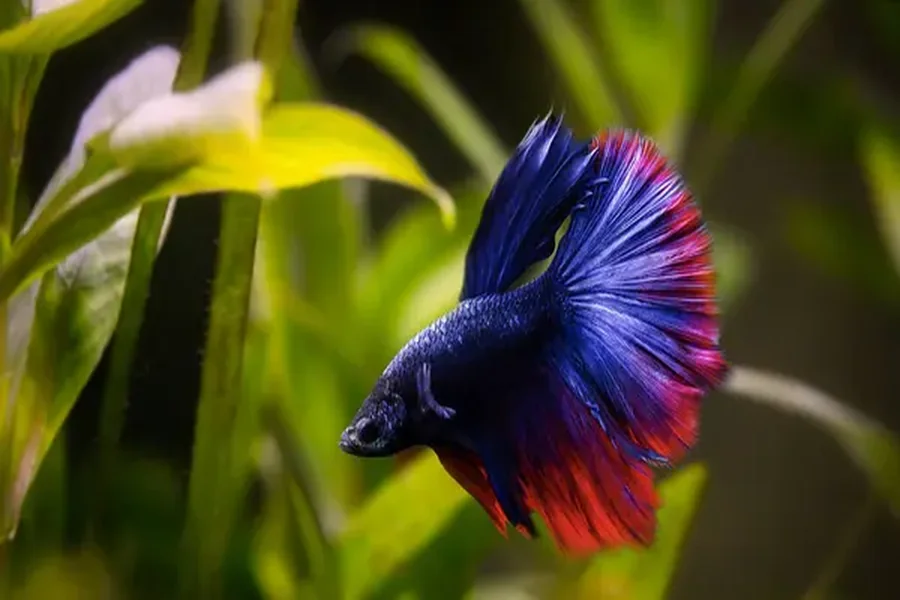
Before purchasing a betta fish, it’s essential to familiarize yourself with the different varieties available. Betta fish vary in terms of color, fin type, and size. Some of the most popular varieties include the Halfmoon, Crowntail, and Plakat. Each variety requires specific care, so knowing which type you have your heart set on is the first step in responsible ownership.
A particular variety that has garnered attention is the Pink Orchid Betta Fish, which blends striking appearance with a delicate beauty. For detailed information on this unique variety, Tropicflow offers a comprehensive overview. Understanding the differences between these varieties will help you make a more informed decision that suits your preferences and care capabilities.
Setting Up the Betta’s Environment
Proper tank setup is crucial for the health and happiness of your betta fish. A common misconception is that bettas can thrive in small bowls. In reality, they require at least a 5-gallon tank with a filter and heater to maintain stable water conditions.
Tank Decorations and Plants
When setting up a betta tank, choose decorations that do not have sharp edges to prevent damage to the fish’s fins. Incorporating live plants can offer benefits by simulating the fish’s natural environment and improving water quality. However, ensure that these plants are suitable for freshwater and compatible with the aquarium’s lighting conditions.
Water Conditions and Maintenance
Betta fish are tropical species that thrive in warm water temperatures ranging from 24 to 28°C. Regular water changes, approximately 25-30% weekly, are essential for maintaining cleanliness and keeping ammonia and nitrate levels in check. Always use a water conditioner to neutralize chlorine and chloramines present in tap water before adding it to the tank.
A quality filtration system is necessary to assist in maintaining water quality. However, bettas can be sensitive to strong currents, so choose filters that can be adjusted to provide gentle water flow.
Feeding Your Betta Fish
Betta fish are carnivorous and require a protein-rich diet. Feeding high-quality commercial betta pellets or frozen foods such as brine shrimp and bloodworms will ensure nutritional needs are met. Avoid overfeeding, as uneaten food can pollute the tank and harm the fish. Feeding once or twice a day in small quantities is generally ideal.
Recognizing Healthy Betta Behavior
Understanding what constitutes normal behavior in betta fish is key to recognizing signs of stress or illness. Healthy bettas are typically vibrant in color, active, and display an erect dorsal fin. If your fish appears lethargic, has clamped fins, or exhibits a loss of color, it may be experiencing health issues.
Regular observation and being mindful of behavioral changes can cue you to address potential problems early on. Equipping yourself with knowledge about common betta ailments and treatments is an essential part of responsible ownership.
Considerations When Choosing a Betta
Adding a new betta to your aquatic collection should be a carefully considered decision. Observe potential candidates for signs of health; vibrant colors, clear eyes, and active behavior are indicators of a healthy fish. Check for any physical imperfections like fin tears or unusual spots, as these can be signs of underlying health issues.
If possible, spend time observing how bettas interact within their environment and with other fish. Though solitary creatures, bettas can sometimes be housed with compatible tank mates under precise conditions. Knowing the traits of the individual fish and understanding compatible species can help prevent unnecessary conflict and ensure a harmonious environment.
The Significance of Responsible Purchasing
Opt for reputable sellers or breeders who prioritize the health and well-being of their fish. Ethical breeding practices and proper housing at the seller’s location can be indicative of the condition of the fish you are purchasing. Request details on the specific care requirements of your chosen betta variety to ensure you are fully prepared to meet its needs.
Enrichment and Interaction
While betta fish can live happily on their own, they do enjoy interaction and mental stimulation. Providing enrichment within the tank can help maintain a betta’s mental health, thus reducing stress and improving overall well-being. Introduce safe mirrors for short periods to trigger natural flaring behavior and avoid prolonged stress.
Temperature and Seasonal Changes
Seasonal changes in room temperature can influence the water temperature in your betta’s tank. Investing in a reliable aquarium heater with a thermostat is vital to ensure that your betta’s environment remains consistent year-round. Abrupt temperature changes can lead to stress and compromise the fish’s immune system, making them susceptible to diseases.
Awareness of Betta Fish Lifespan
Betta fish have a lifespan of about 3 to 5 years, with some living longer under optimal conditions. Understanding the long-term commitment is crucial when deciding to purchase a betta. Providing proper care from the very beginning will benefit both the longevity and quality of life for your fish.
In summary, purchasing a betta fish involves more than just picking the most vibrantly colored specimen in the shop. It requires an understanding of the specific needs, environment setup, and ongoing care requirements. From selecting the right variety to maintaining ideal water conditions and understanding feeding, each aspect contributes significantly to the welfare of your betta fish. Proper research and preparation are essential to becoming a successful and responsible betta owner.