
Understanding the Mysterious Noises From Your Toilet
Toilets are a central feature in any home, providing essential functionality often taken for granted until they misbehave. One perplexing issue that can arise is when a toilet is making noise when not in use. This unexpected problem can disrupt the peace and lead to concerns about underlying damage or malfunctions in your plumbing system.
Common Causes of Toilet Noises
Unusual sounds emanating from an unused toilet can stem from several causes. Understanding these can help pinpoint the issue more quickly.
Water Hammer Phenomenon
A common cause of toilet noise is the water hammer effect. This occurs when water flowing through the pipes suddenly stops or changes direction, creating a shockwave that travels through the pipes. The resultant sound can be alarming: a banging or knocking noise. This may often happen due to high water pressure or inadequately secured pipes.
Faulty Flapper or Fill Valve
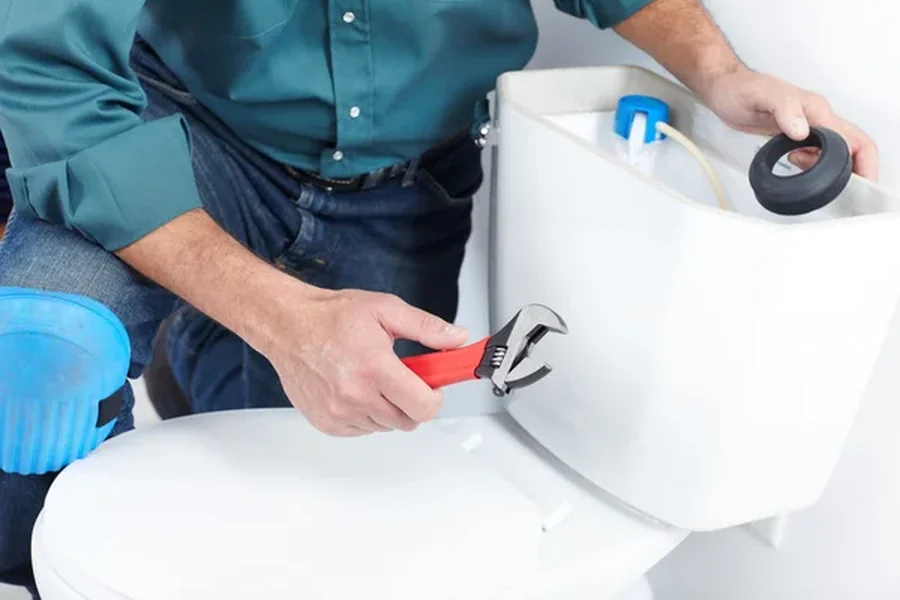
A malfunctioning toilet flapper or fill valve is another frequent culprit. If the flapper is not sealing properly, it can lead to continuous water movement into the bowl, creating a hissing or running sound. Similarly, a defective fill valve might cause intermittent noises, as it attempts to maintain the tank’s water level, even when not needed.
Sediment Buildup
Over time, minerals like calcium and magnesium may deposit within the internal mechanisms of a toilet. Sediment buildup, particularly on the fill valve, can disrupt normal operation, resulting in sounds such as buzzing or whistling. These noises are often more pronounced after flushing as the toilet refills.
Uncovering Less Obvious Issues
While the aforementioned issues cover common scenarios, less obvious problems can also lead to a noisy toilet.
Air in the Water Lines
Air trapped within water lines might lead to a noisy toilet situation. Air trapped in the plumbing system can sometimes contribute to banging, sputtering or gurgling sounds as water moves through the pipes.
Poor Venting
Improper venting within your plumbing system can also be a source of unexplained toilet noises. Plumbing vents are designed to allow sewer gases to escape and ensure proper airflow through the drainage system. If these are blocked or inadequate, pressure imbalances may arise, contributing to unusual noises.
Testing and Diagnosis
Before you can attempt any fixes, it’s important to accurately diagnose the source of the noise. Certain steps can be undertaken to ascertain the root of the problem.
Listening and Localising
The first step is to listen carefully and try to identify the nature and origin of the noise. Is it a banging, whistling, hissing, or gurgling sound? Do these noises stem from the tank or further down the pipes? Localising the sound can significantly aid in determining its cause.
Inspecting Internal Components
Visually inspecting the internal components of the tank can often provide clues. Check the flapper and fill valve for signs of damage or wear. Ensure they operate freely and are properly sealing.
Checking Water Pressure
If the noise resembles a hammering sound, it may be helpful to measure your home’s water pressure. Water pressure gauges can be attached to outdoor taps or wherever plumbing fixtures are accessible, providing a reading of your system’s pressure.
Solutions for Resolving Toilet Noises
Once the issue has been diagnosed, several remedies may be considered, based on the underlying cause.
Installation of Water Hammer Arrestors
If water hammer is identified as the cause, installing a water hammer arrestor can effectively absorb the shock waves, preventing the noise. This is often a straightforward process and can significantly reduce pipe banging.
Replacing Faulty Components
Faulty or damaged flappers and fill valves should be replaced to ensure proper sealing and functioning. Manufacturers provide replacement parts that are specific to toilet models, ensuring compatibility and proper operation.
Flushing the System
For minor issues involving the toilet’s internal components, cleaning or replacing the affected valve may help restore normal operation. Persistent noises or suspected pipe blockages should be assessed by a qualified plumber.
Examining Vent Pipes
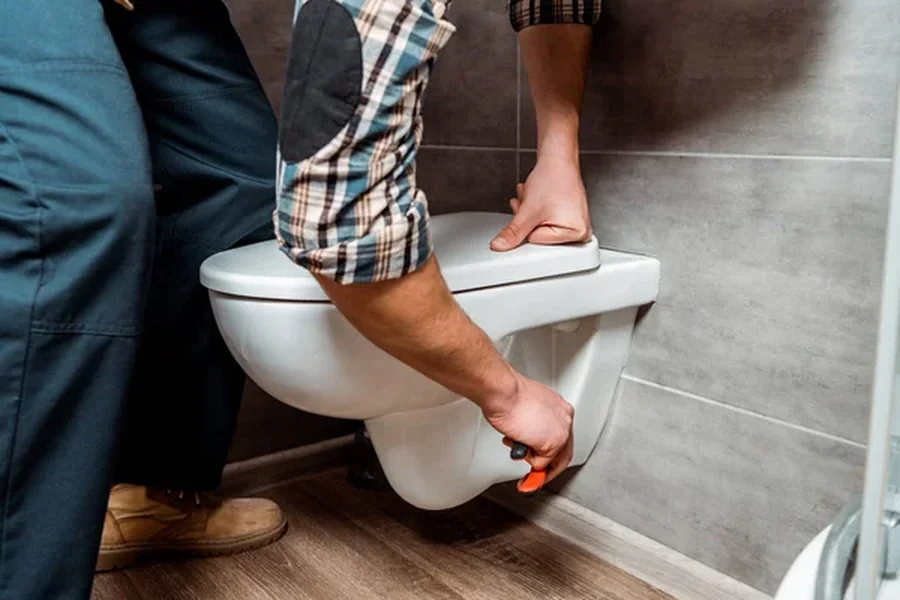
Given the potential for improper venting, examining, cleaning, or replacing vent pipes might be necessary. Ensuring they are unobstructed will promote proper air circulation and eliminate pressure imbalances.
Proactive Measures for Quiet Toilets
To prevent future issues, routine maintenance and checks can be invaluable.
Regular Valve and Flapper Checks
Regularly inspecting the functionality of the fill valve and flapper promotes longevity and operational efficiency. Preventive replacements can offset premature failures.
Adjusting Water Pressure
Maintaining optimal water pressure reduces stress on plumbing systems. Adjusting the pressure regulator when necessary safeguards against potential water hammer effects.
Addressing Hard Water Issues
Where hard water is common, water softeners or regular descaling can help reduce mineral deposits that may affect toilet components.
Understanding the nuances and causes behind an unused toilet making noise allows homeowners to address such concerns effectively. By evaluating symptoms, diagnosing accurately, and implementing strategic remedies, long-lasting solutions can be achieved, fostering a serene and nuisance-free domestic environment.