The Role of Personalized Care in Long-Term Recovery
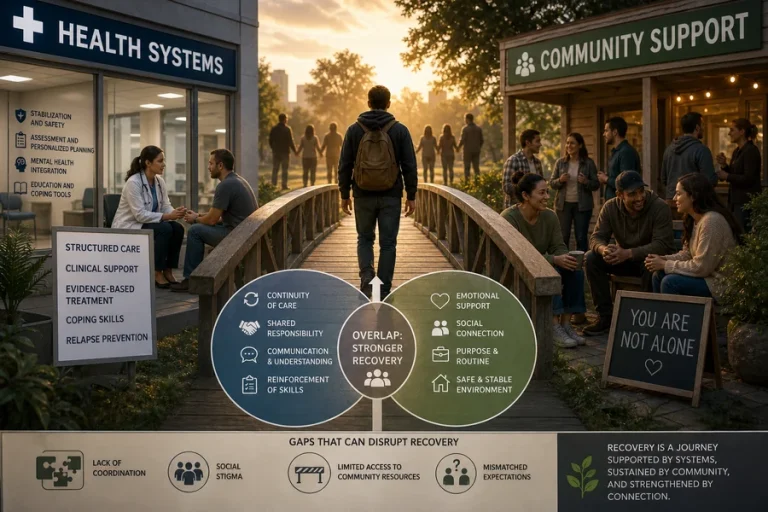
Recovery is often viewed as a destination—a point where someone has overcome difficult circumstances and can move forward without looking back. In reality, long-term recovery is far more complex. It is an ongoing process shaped by personal experiences, changing needs, and daily decisions. What works well for one individual may not be effective for another, which is why personalized care has become one of the most valuable concepts in supporting lasting recovery.
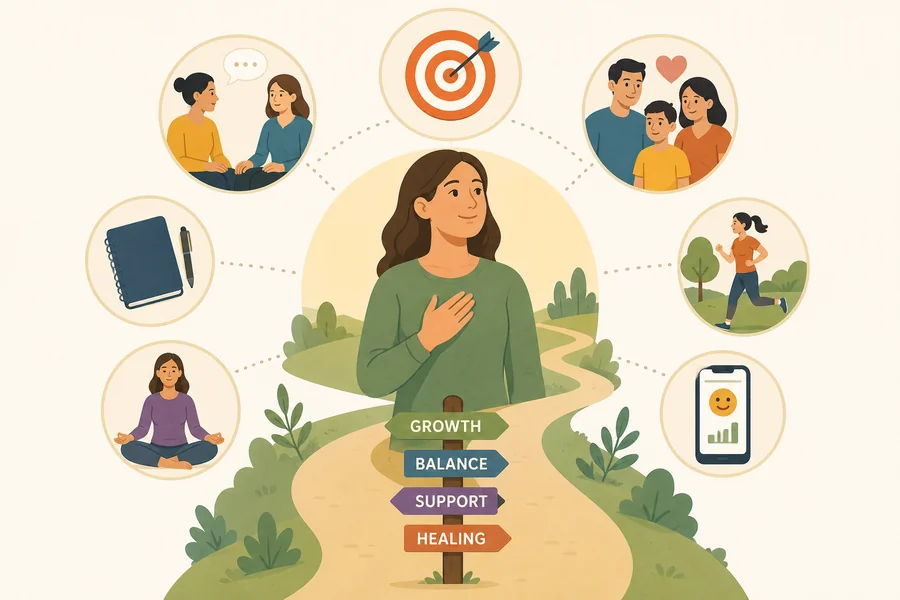
Rather than following a one-size-fits-all approach, personalized care recognizes that every recovery journey is unique. People bring different life experiences, emotional challenges, physical health concerns, family dynamics, and personal goals into the process. Addressing these differences can create a stronger foundation for sustainable progress over time.
Why Personalization Matters
No two people experience recovery in exactly the same way. Some individuals benefit from structured routines and consistent accountability, while others thrive when given greater flexibility and independence. Age, culture, career responsibilities, relationships, and previous life experiences all influence how someone responds to different recovery strategies.
Personalized care begins with understanding the individual instead of focusing solely on the challenge they are trying to overcome. By identifying strengths, barriers, motivations, and priorities, recovery efforts become more meaningful and relevant.
This approach also helps reduce frustration. Generic plans may overlook important personal factors, leading people to feel misunderstood or disconnected. When care reflects an individual’s real circumstances, participation often feels more natural and achievable.
Recovery Goals Can Change Over Time
Long-term recovery rarely follows a straight path. Personal priorities often evolve as life changes.
In the beginning, someone may focus primarily on creating stability and rebuilding healthy routines. As confidence grows, attention may shift toward career development, strengthening relationships, improving physical wellness, or pursuing personal interests that once seemed out of reach.
Personalized care adapts alongside these changes. Instead of remaining fixed, recovery strategies can evolve to reflect new goals and emerging challenges.
This flexibility is especially important because recovery is a lifelong process rather than a short-term project. A plan that worked during the first few months may need adjustments years later.
Understanding the Whole Person
Effective recovery goes beyond addressing a single issue. Emotional health, physical wellness, financial pressures, social support, and everyday habits all interact with one another.
Someone dealing with workplace stress may require different coping strategies than someone rebuilding family relationships. Another person might benefit from focusing on physical health, sleep, or stress management before tackling larger life goals.
Taking a broader view allows individuals to identify connections between different parts of their lives. Improving one area often creates positive changes elsewhere, making recovery feel more balanced instead of overwhelming.
Building Trust Through Individual Attention
Trust plays a significant role in any recovery journey. People are generally more willing to engage when they feel heard rather than judged.
Personalized care encourages open conversations about challenges, successes, fears, and expectations. Instead of assuming what someone needs, it creates space to ask thoughtful questions and listen carefully to the answers.
Feeling understood can strengthen motivation. When individuals believe their experiences genuinely matter, they are often more willing to stay committed during difficult periods.
This trust also makes it easier to adjust recovery plans when circumstances change instead of viewing setbacks as failures.
Supporting Different Learning Styles
People absorb information differently. Some prefer practical demonstrations, while others respond better to discussions, written materials, reflective exercises, or hands-on activities.
Personalized recovery recognizes these differences by adapting communication styles and learning methods whenever possible.
When information is presented in ways that match an individual’s preferences, important concepts become easier to understand and apply in everyday life. Small adjustments in communication can significantly improve long-term engagement.
Family and Social Connections Matter
Recovery rarely happens in isolation. Friends, family members, coworkers, and community relationships often influence long-term outcomes.
For some people, rebuilding family trust becomes an important priority. Others may need to establish healthier boundaries or expand supportive social networks.
Personalized care acknowledges these differences instead of assuming everyone has the same support system.
Encouraging healthy relationships can strengthen resilience while helping individuals navigate challenges with greater confidence.
Mental and Physical Wellness Work Together
Emotional and physical health are closely connected. Sleep quality, nutrition, exercise, stress levels, and overall wellness can all influence mood, energy, and decision-making.
A personalized approach considers these factors together instead of treating them as separate concerns.
For example, improving sleep habits may enhance emotional regulation. Regular physical activity can increase confidence and reduce everyday stress. Mindfulness practices may help individuals manage overwhelming emotions more effectively.
The combination of these small improvements often creates lasting momentum throughout recovery.
Preparing for Everyday Challenges
Life continues after the initial stages of recovery. Unexpected stress, major life transitions, work responsibilities, and personal setbacks can all test someone’s resilience.
Personalized care helps individuals prepare for situations they are most likely to encounter rather than relying on generic advice.
Someone working in a high-pressure profession may benefit from stress-management techniques tailored to demanding schedules. A parent balancing childcare responsibilities may need different planning strategies than someone living independently.
Anticipating real-life challenges allows people to develop practical coping skills before difficulties arise.
The Importance of Ongoing Reflection
Recovery is not only about changing behaviors—it also involves personal growth and self-awareness.
Regular reflection helps individuals recognize patterns, celebrate progress, and identify areas needing attention. Personalized care encourages honest evaluation without focusing solely on perfection.
Questions such as these can support continued growth:
- What situations have become easier to manage?
- Which habits continue to support daily well-being?
- What new challenges have appeared recently?
- What personal strengths have become more noticeable over time?
These reflections help keep recovery aligned with changing life circumstances.
Technology Can Support Personalized Recovery
Digital tools have become increasingly useful in helping individuals monitor progress and maintain healthy habits.
Mood tracking applications, digital journals, reminders, wearable fitness devices, and virtual support communities allow people to better understand their routines and identify patterns that influence their well-being.
Technology cannot replace meaningful human connection, but it can provide valuable insights that support personalized decision-making between important milestones.
A Growing Interest in Individualized Recovery
Modern conversations around recovery increasingly emphasize person-centered approaches instead of standardized solutions.
Researchers and health professionals continue exploring how individualized strategies improve long-term engagement, motivation, and overall well-being. This growing focus reflects a broader understanding that successful recovery involves much more than addressing immediate challenges.
Even environments such as a luxury rehab center often emphasize individualized planning because personal circumstances vary so widely from one person to another. While the setting itself does not determine success, tailoring recovery plans to each individual’s needs remains an important principle across many approaches.
Ultimately, recovery is most sustainable when people feel empowered to participate in shaping their own journey rather than simply following a predetermined path.
Looking Beyond Short-Term Success
Long-term recovery is built through consistency, adaptability, and meaningful personal growth. Personalized care recognizes that lasting progress is not measured by a single milestone but by the ability to continue moving forward despite life’s inevitable changes.
When recovery reflects an individual’s values, goals, relationships, and experiences, it becomes more than a structured process—it becomes part of a healthier way of living. Rather than expecting everyone to follow the same path, personalized care acknowledges that each journey deserves its own direction, pace, and purpose.
As our understanding of recovery continues to evolve, one lesson remains clear: lasting change is most likely when people are treated as individuals, not as identical stories with identical solutions.