
The Many Paths to Healing: Understanding What Supports Lasting Recovery
Recovery is often described as a journey, but the reality is that no two journeys look the same. Every person brings different experiences, struggles, strengths, and goals into the healing process. What helps one individual rebuild their life may not work in the same way for someone else. That’s why lasting recovery is rarely about finding a single solution—it’s about discovering the combination of support, habits, and relationships that create meaningful change over time.
Today, conversations around recovery are becoming more inclusive and hopeful. Rather than focusing only on breaking unhealthy patterns, experts and communities alike are recognizing the importance of helping people build fulfilling lives that make long-term wellness possible. Emotional health, physical well-being, purpose, connection, and personal values all play a role in creating a stable foundation.
Understanding these different paths can help individuals, families, and communities better support people working toward lasting recovery.
Recovery Is More Than Quitting a Habit
One of the biggest misconceptions about recovery is that success simply means stopping the use of alcohol or drugs. While sobriety is an important milestone, it is only one part of a much larger picture.
Many people entering recovery are also learning how to manage stress, repair relationships, process difficult emotions, and develop healthier coping skills. They may be rebuilding careers, reconnecting with loved ones, or discovering interests they had forgotten.
Healing often involves asking important questions:
- What triggers unhealthy behaviors?
- How can emotional resilience be strengthened?
- What routines encourage stability?
- Which relationships support growth?
Answering these questions takes time, and progress rarely happens in a straight line. Small, consistent improvements often matter far more than dramatic changes.
Emotional Wellness Creates a Stronger Foundation
Emotions influence nearly every decision we make. When difficult feelings such as anxiety, loneliness, shame, or grief remain unaddressed, they can become powerful obstacles during recovery.
Learning healthy emotional regulation doesn’t mean avoiding uncomfortable feelings. Instead, it means developing practical ways to recognize, understand, and respond to them without returning to destructive behaviors.
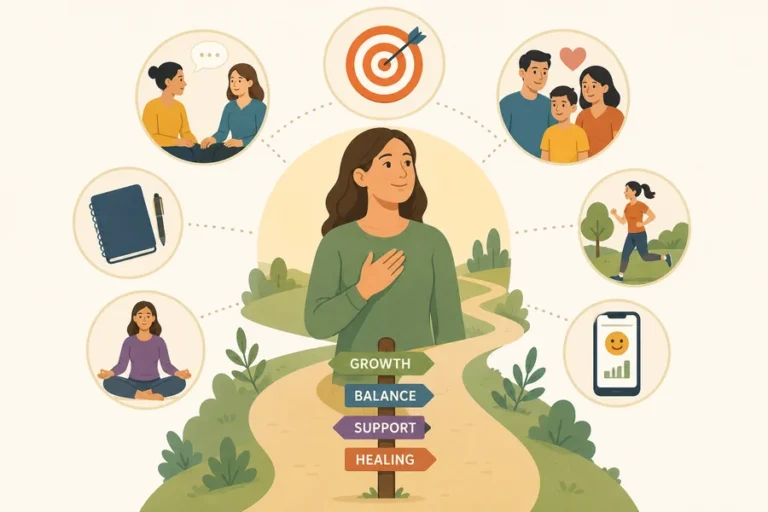
Helpful practices may include:
- Journaling
- Mindfulness exercises
- Physical activity
- Creative hobbies
- Talking with trusted friends or mentors
- Professional counseling
As emotional awareness grows, many people discover they become more confident in handling everyday challenges that once felt overwhelming.
The Power of Community
Recovery is rarely successful in isolation.
Supportive relationships provide accountability, encouragement, and understanding during both victories and setbacks. Having people who genuinely care can reduce feelings of loneliness while creating opportunities to celebrate progress together.
Community support can come from many places:
- Family members
- Close friends
- Peer recovery groups
- Volunteer organizations
- Faith communities
- Workplace support networks
The goal isn’t simply to have people around—it’s to surround yourself with individuals who encourage healthy choices and respect personal growth.
Even one positive relationship can make a meaningful difference.
Healthy Daily Habits Matter More Than Perfection
Many people imagine recovery as a series of life-changing breakthroughs. While breakthroughs certainly happen, lasting progress is often built through ordinary daily routines.
Small habits repeated consistently help create structure and stability.
Examples include:
- Maintaining regular sleep schedules
- Eating balanced meals
- Exercising regularly
- Keeping medical appointments
- Spending time outdoors
- Limiting unnecessary stress
- Setting realistic goals
These routines strengthen both physical and mental health, making it easier to navigate difficult moments when they arise.
Consistency almost always outperforms perfection.
Finding Purpose Beyond Recovery
One of the most powerful shifts occurs when recovery stops being someone’s entire identity.
People thrive when they begin pursuing meaningful goals beyond simply avoiding relapse. Purpose creates motivation that extends into every area of life.
Purpose can take many forms:
- Building a fulfilling career
- Returning to school
- Raising a family
- Volunteering
- Developing creative talents
- Mentoring others
- Pursuing personal passions
Having something to look forward to helps reinforce healthy decisions and reminds individuals why their recovery matters.
Addressing the Whole Person
Modern approaches increasingly recognize that recovery involves more than physical health.
Mental, emotional, social, and spiritual well-being all influence long-term outcomes. Looking at the whole person allows individuals to develop balanced lifestyles rather than focusing on only one area of improvement.
For some people, exercise becomes a turning point. Others benefit most from therapy, community involvement, creative expression, or meditation. There is no universal formula because people experience life differently.
This personalized perspective helps explain why recovery plans are most effective when they are flexible enough to meet changing needs over time.
The Role of Personal Beliefs and Values
Many individuals find strength by reconnecting with their personal values.
Whether those values center around family, service, compassion, gratitude, or forgiveness, they provide guidance during difficult moments and help shape healthier choices.
For others, spirituality becomes an important source of hope and resilience. A faith-based addiction treatment approach may offer comfort by encouraging reflection, community support, and a renewed sense of purpose alongside evidence-informed recovery practices. While this path resonates deeply with many people, it is one of several approaches available, and lasting recovery can be built through different methods depending on an individual’s beliefs and circumstances.
What matters most is finding a path that feels authentic and sustainable.
Learning From Setbacks
Recovery is rarely a perfectly smooth process.
Challenges, discouragement, and setbacks may occur, but they don’t erase previous progress. Instead, they can provide valuable insight into situations that require additional support or healthier coping strategies.
Rather than viewing setbacks as failures, many recovery professionals encourage seeing them as opportunities to learn.
Helpful questions include:
- What situation contributed to this challenge?
- Which warning signs appeared beforehand?
- What support was missing?
- What could be done differently next time?
This mindset encourages resilience rather than self-criticism.
Family Healing Matters Too
Addiction affects entire families, not just individuals.
Loved ones often experience emotional stress, uncertainty, and broken trust. Healing relationships requires patience from everyone involved.
Open communication, healthy boundaries, forgiveness, and realistic expectations help families move forward together.
Recovery becomes stronger when both individuals and their support systems continue learning and growing.
Families don’t have to be perfect—they simply need to remain committed to healthier ways of relating to one another.
Recovery Is a Lifelong Investment
Long-term recovery isn’t built overnight. It grows through thousands of daily decisions that gradually create healthier patterns and stronger resilience.
People who continue learning, building supportive relationships, caring for their health, and staying connected to meaningful goals often find that recovery becomes less about avoiding the past and more about embracing the future.
Every person’s path will include different milestones, different obstacles, and different sources of strength. There is no single roadmap that guarantees success for everyone.
What remains consistent is the value of compassion, patience, and persistence. Healing is rarely defined by one breakthrough moment. Instead, it is shaped by countless small choices that move life forward one day at a time.
No matter where someone begins, lasting recovery is possible when they are supported, empowered, and given the space to discover the path that works best for them.