
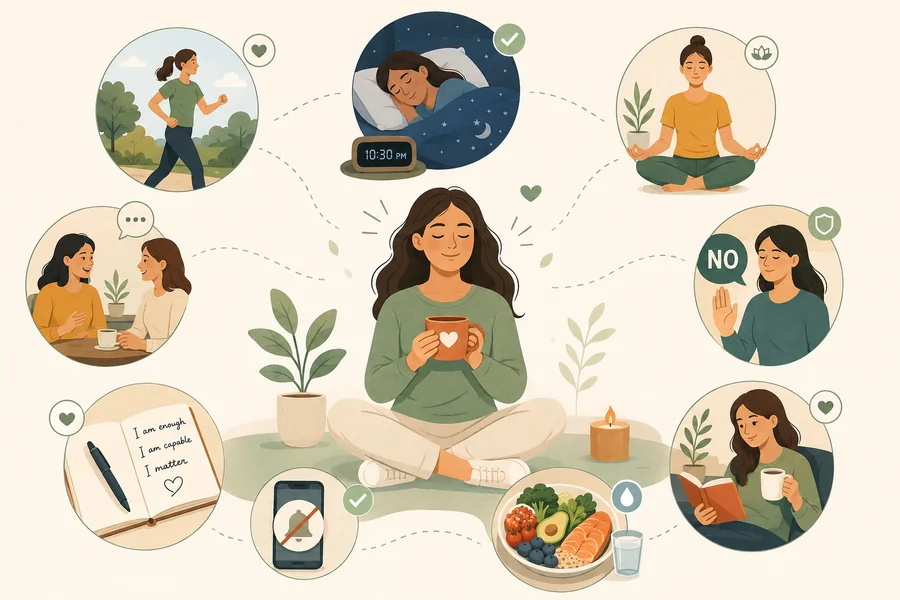
Understanding the Everyday Habits That Support Better Emotional Health
Life moves fast. Between work deadlines, family responsibilities, financial pressures, and the constant flow of information online, it’s easy to overlook emotional well-being. Many people assume that mental health is only something to think about during difficult times, but the truth is that emotional health is shaped by the small decisions we make every day.
Just as physical health benefits from consistent exercise and balanced nutrition, emotional well-being grows through daily habits that help us manage stress, build resilience, and maintain healthy relationships. While no routine can eliminate life’s challenges, certain practices can make it easier to navigate them with greater confidence and stability.
Why Everyday Habits Matter
Our emotional state isn’t determined by one major event alone. Instead, it’s often influenced by repeated behaviors and routines that either support or drain our mental energy.
Simple actions like getting enough sleep, taking breaks throughout the day, or spending quality time with loved ones can have a lasting impact. On the other hand, chronic stress, poor sleep, social isolation, and unhealthy coping mechanisms can gradually affect how we think, feel, and respond to everyday situations.
Building healthy habits doesn’t mean striving for perfection. It’s about creating a lifestyle that gives your mind opportunities to rest, recover, and grow.
Prioritize Quality Sleep
Sleep is one of the most overlooked foundations of emotional health. When people consistently miss out on quality rest, they often notice increased irritability, difficulty concentrating, lower motivation, and heightened stress.
Creating a healthier sleep routine may include:
- Going to bed and waking up at consistent times
- Limiting screen time before bedtime
- Keeping the bedroom cool and comfortable
- Avoiding excessive caffeine late in the day
Even small improvements in sleep habits can make a noticeable difference in mood and emotional balance.
Stay Physically Active
Exercise isn’t only beneficial for physical fitness. Movement also plays an important role in emotional wellness by helping reduce stress and encouraging the release of natural chemicals that promote positive feelings.
You don’t need an intense workout routine to experience these benefits. Walking through the neighborhood, stretching in the morning, dancing to your favorite music, or riding a bicycle can all contribute to improved emotional health.
The key is consistency rather than intensity.
Build Meaningful Social Connections
Humans are naturally social. Positive relationships provide emotional support, reduce feelings of loneliness, and remind us that we’re not facing life’s challenges alone.
Strong connections don’t necessarily require a large social circle. A few trusted friends, supportive family members, or regular conversations with people who genuinely listen can make a meaningful difference.
Consider making time for activities like:
- Sharing meals together
- Calling someone you haven’t spoken with recently
- Participating in community events
- Joining hobby groups or volunteer activities
Meaningful conversations often offer emotional relief that can’t be replaced by scrolling through social media.
Practice Mindfulness Throughout the Day
Mindfulness simply means paying attention to the present moment without constantly worrying about the past or future.
Many people believe meditation is the only way to practice mindfulness, but everyday activities can become mindful experiences.
You can practice by:
- Taking slow, deep breaths during stressful moments
- Fully focusing on a meal without distractions
- Observing your surroundings during a walk
- Pausing before reacting during difficult conversations
These brief moments of awareness help interrupt automatic stress responses and encourage calmer decision-making.
Set Healthy Boundaries
Many people experience emotional exhaustion because they feel obligated to say yes to every request or responsibility.
Healthy boundaries protect your time, energy, and emotional well-being. They allow you to support others without neglecting your own needs.
Setting boundaries might involve:
- Politely declining additional commitments
- Scheduling personal downtime
- Limiting exposure to negative environments
- Reducing unnecessary digital distractions
Boundaries aren’t about pushing people away—they’re about creating balance.
Pay Attention to Self-Talk
Everyone has an inner voice. Unfortunately, it isn’t always kind.
Negative self-talk can increase feelings of anxiety, self-doubt, and discouragement. Learning to recognize these patterns is the first step toward developing a healthier mindset.
Instead of thinking:
“I always mess everything up.”
Try asking:
“What can I learn from this experience?”
Replacing harsh self-criticism with realistic, compassionate thinking helps build emotional resilience over time.
Make Time for Activities You Enjoy
Adults often become so focused on responsibilities that they forget the importance of enjoyment.
Hobbies aren’t a luxury—they’re an important part of emotional wellness.
Whether it’s reading, gardening, painting, cooking, photography, or playing music, enjoyable activities provide opportunities to relax and recharge.
Even dedicating thirty minutes each week to something personally meaningful can improve overall well-being.
Limit Information Overload
Staying informed is valuable, but constant exposure to upsetting news and endless social media updates can increase stress and emotional fatigue.
Consider creating healthier digital habits by:
- Setting specific times to check the news
- Taking regular breaks from social media
- Following accounts that inspire rather than discourage
- Turning off unnecessary notifications
Reducing digital noise creates more mental space for reflection and real-life experiences.
Support Emotional Health Through Nutrition
Food affects more than physical health. Consistent eating habits and balanced meals help maintain steady energy levels, which can influence mood throughout the day.
Rather than chasing restrictive diets, focus on habits such as:
- Eating regular meals
- Drinking enough water
- Including fruits and vegetables daily
- Choosing whole foods when possible
Small nutritional improvements often contribute to better overall well-being.
Accept That It’s Okay to Ask for Help
Despite growing awareness of emotional wellness, many people still hesitate to seek support when they’re struggling.
There may come a time when everyday habits alone aren’t enough. Persistent feelings of sadness, overwhelming anxiety, significant changes in behavior, or difficulty functioning in daily life may indicate the need for additional support.
Seeking guidance isn’t a sign of weakness. In fact, recognizing when professional help may be beneficial demonstrates self-awareness and strength. A qualified mental health treatment center can provide assessment, education, and evidence-based approaches that help individuals better understand their emotional challenges while developing healthier coping strategies.
Everyone’s journey is different, and there’s no single path toward emotional wellness.
Progress Matters More Than Perfection
Improving emotional health isn’t about following a flawless routine every day. Some weeks will feel easier than others, and setbacks are a normal part of life.
The goal is to build habits that create stability over time rather than expecting immediate transformation.
Choosing to get enough sleep, taking a walk after work, calling a friend, practicing gratitude, or simply allowing yourself a few quiet moments can all become meaningful investments in long-term emotional well-being.
These everyday actions may seem small on their own, but together they create a stronger foundation for handling life’s challenges with greater resilience, confidence, and balance.
Emotional health isn’t built overnight. It’s shaped through consistent choices, self-compassion, and the willingness to care for yourself just as intentionally as you care for the people around you.