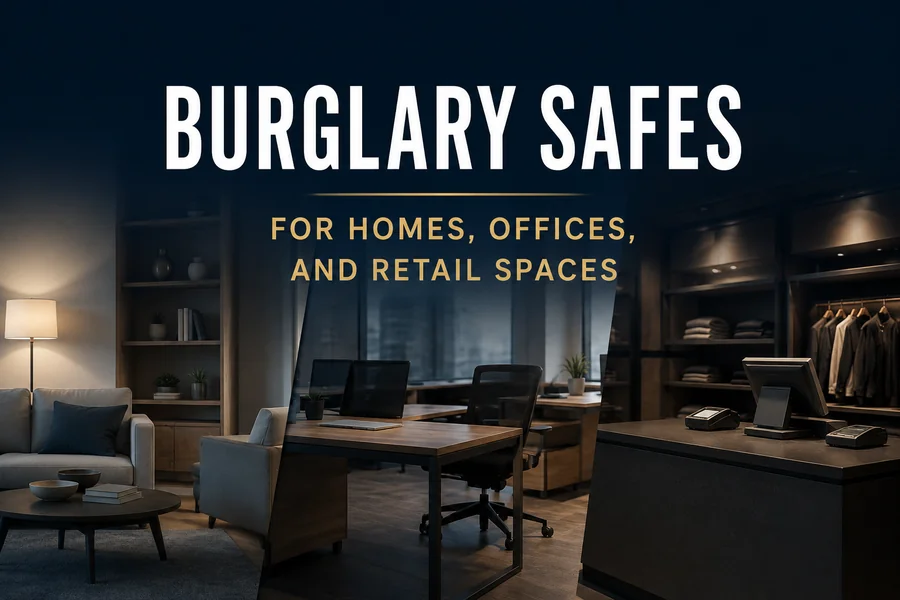
Burglary Safes for Homes, Offices, and Retail Spaces
A burglary safe gives valuables a secure place during a break-in. It protects items that are easy to steal, lose, or damage. Homes, offices, and stores all have different storage needs. The right safe helps protect cash, papers, jewelry, keys, files, and small devices.
INKAS® Safes makes burglary safes for both home and business use. The company was established in 1999 and is Canadian owned and operated in Toronto. Its product range includes home safes, office safes, cash safes, document safes, floor safes, and high-security safes.
A safe should not be chosen only by size or price. It should match the value of the items inside. It should also match the risk level of the property. A small home safe may work for passports and jewelry. A retail store may need a stronger safe for cash and daily deposits.
Selecting proper storage solutions for business assets often involves evaluating physical locking mechanisms and structural endurance. When evaluating different building security standards, property owners can get more information on commercial security protocols to ensure sensitive documents and assets remain adequately safeguarded against unauthorized access.
What Is a Burglary Safe?
A burglary safe is built to resist forced entry. It is different from a simple storage box. A basic box may keep items in one place. A burglary safe is built to slow down theft.
Burglars may use drills, pry bars, saws, or other tools. A proper burglary safe uses strong steel, secure bolts, and rated locks. These parts make forced entry harder.
Ratings help buyers understand safe strength. INKAS® explains that common burglary ratings include TL-15 and TL-30. The number shows tested working time against a tool attack. A TL-30 safe is tested for a longer tool attack than a TL-15 safe.
Fire ratings are different from burglary ratings. A fire safe protects against heat for a rated time. A burglary safe protects against forced entry. Some safes offer both types of protection, but buyers should check each rating.
Why Homes Need Burglary Safes
Homes often contain items that are small but valuable. Jewelry, watches, passports, birth records, cash, and family papers can all be stolen fast. A burglary safe helps keep these items in one secure place.
A safe also helps with order. Important items are easier to find when stored together. This is useful during travel, moving, or an emergency.
Homeowners should think about both theft and placement. A visible safe can attract attention. A hidden safe may reduce that risk. Still, a hidden safe must be easy enough for the owner to use.
Common items kept in home burglary safes include:
- Passports, birth records, and property papers
- Jewelry, watches, cash, and family keepsakes
- Keys, small drives, cards, and backup files
- Rare coins, small antiques, and private records
Size also matters. A safe that is too small becomes full quickly. INKAS® advises buyers to think about planned storage before choosing a safe. Paper files, hard drives, antiques, and jewelry may need different space.
A home safe should fit current needs and future needs. Many people buy a safe for papers. Later, they add jewelry, cash, keys, drives, and keepsakes. Extra room can prevent a second purchase.
Burglary Safes for Office Security
Offices use burglary safes for records, contracts, keys, checks, and cash. They may also store hard drives, company seals, access cards, and client files. These items need more than a locked drawer.
A safe can also help limit staff access. Not every worker needs access to every item. A safe with the right lock helps keep control clear.
Office safe placement should be planned before delivery. The safe should not block work areas. It should also sit on a strong surface. Heavy safes may need special moving support.
Offices should avoid buying only for the lowest price. INKAS® notes that quality matters when the goal is to protect valuable items. A cheap safe may look secure but offer weak protection.
The right office safe depends on use. A small office may need a document safe. A larger office may need a commercial safe with more space and stronger ratings.
Retail Spaces and the Need for Stronger Safe Protection
Retail spaces handle cash, keys, receipts, and stock records. These items must stay secure during and after business hours. A burglary safe helps reduce loss after a break-in.
Stores often need fast access during the day. Staff may deposit cash many times before closing. A well-placed safe can support this process without slowing work.
Retail safes should be hard to remove. A small safe that is not secured can be carried away. The thief can then attack it later. This is why weight and anchoring both matter.
INKAS® floor safes are described as safes bolted to the floor and made in Canada. The company lists both commercial and residential floor safe options. This makes floor-mounted safes useful for stores, offices, and homes.
Retail spaces should also review lock access. Owners may need one access level. Managers may need another. Good control reduces the risk of lost keys or shared codes.
| Location | Common Items Stored | Safe Features to Consider |
| Home | Jewelry, passports, cash, records | Compact size, strong lock, hidden placement |
| Office | Contracts, keys, drives, checks | Shelves, access control, document storage |
| Retail store | Cash, receipts, keys, deposits | Floor anchoring, quick access, strong rating |
Key Features to Look for in a Burglary Safe
A burglary safe should have a strong body and a strong door. The door is often the main attack point. The body also matters, especially when the safe is exposed.
Look for thick steel, strong bolts, and a secure lock. INKAS® TL-30 high-security safes include large 1.5-inch steel bolts and a force-resistant handle. The product page also lists a 2.5-inch body and a 4-inch door.
Useful burglary safe features include:
- Strong steel body and door construction
- Secure boltwork around the door
- Rated lock, such as dial or electronic lock
- Relocking system for added attack protection
- Anchor points for secure floor mounting
- Interior shelves, drawers, or custom layout options
A lock should match the safe’s purpose. Some safes use dial locks. Others use electronic keypads. INKAS® says digital locks offer faster access, but they need batteries.
Relocking systems are also important. They help protect the safe if the main lock area is attacked. Hard plates can also protect key parts from drilling.
Ratings should guide the final choice. UL TL-30 means a safe has a 30-minute net working time during testing. TL-30×6 means the rating applies from all six sides. This is useful when the safe may be exposed from many angles.
Why Safe Placement Matters
Safe placement affects both use and protection. A safe should be easy for the owner to reach. It should also be hard for a thief to find, move, or attack.
In a home, common areas include closets, storage rooms, and private rooms. In an office, a safe may sit in a records room or manager’s room. In a store, it may sit near the back office or cash area.
The floor must support the safe’s weight. Large safes can be very heavy. Weak flooring can create safety and repair issues.
Humidity also matters for papers, drives, and metal items. INKAS® advises buyers to consider support, access, and humidity control during installation. A dry, stable place helps protect the safe contents.
A safe should not be placed only for looks. A good location supports daily use and theft control. It also makes proper anchoring easier.
Should a Burglary Safe Be Bolted to the Floor?
A burglary safe should often be bolted to the floor. This is most important for smaller safes. A thief may not open the safe on site, but may try to remove it.
INKAS® states that anchor points allow a safe to be bolted down. This makes it harder to walk off with the safe. Anchoring adds another layer of theft control.
A safe can also be bolted to a wall in some cases. The right method depends on the safe, floor, wall, and building type. Concrete floors often give stronger support than weak wood floors.
A safe bolted to floor installation can help homes, offices, and stores reduce removal risk. It is not only about the safe door. It also helps keep the whole safe in place.
Some ratings also refer to safe weight or anchoring. INKAS® lists TL-30 requirements as a minimum weight of 750 pounds or the ability to anchor to a secure surface. This shows why anchoring matters in safe design.
Professional installation is often best for large safes. It helps protect the floor, the safe, and the people moving it.
Choosing the Right Size and Layout
The right safe size depends on what you need to store. Start with the largest items first. Then add space for items you may store later.
For home use, common items include papers, jewelry, keys, and cash. For offices, storage may include contracts, drives, stamps, and access cards. For retail spaces, storage may include cash bags, deposit slips, and key sets.
Interior layout also matters. Shelves work well for files and boxes. Drawers work well for jewelry and watches. Open space works better for larger items.
A safe should not be packed too tightly. Crowded storage makes items hard to find. It can also lead to damage.
INKAS® offers many safe types and sizes. Its TL-30 high-security safe page lists several exterior sizes. Buyers can also request help when standard sizes do not fit their needs.
INKAS® Burglary Safes for Different Security Needs
INKAS® offers safes for residential and commercial use. Its burglary safe page explains ratings, lock type, materials, and location as key buying factors. These points apply to homes, offices, and retail spaces.
For homes, an INKAS® burglary safe can protect jewelry, papers, and keepsakes. For offices, it can protect records, cash, and digital media. For retail spaces, it can support daily cash control.
INKAS® also offers floor safes, home safes, cash safes, office safes, and high-security safes. This allows buyers to match the safe type to the task.
Higher-risk sites may need a stronger rating. TL-30 and TL-30×6 safes give more tested resistance than lower-rated models. This can matter when the safe holds high-value assets.
A safe is part of a larger security plan. Locks, alarms, cameras, staff rules, and safe placement all work together. The safe protects items when other barriers fail.
Common Mistakes When Buying a Burglary Safe
The first mistake is buying only by price. A low-cost safe may not match the risk. It may also have weak construction, a poor lock, or limited anchoring options.
The second mistake is buying a safe that is too small. Storage needs often grow over time. A safe should leave room for future items.
The third mistake is ignoring ratings. A safe can look strong but still have weak protection. Ratings give a clearer way to compare models.
The fourth mistake is poor placement. A safe in the wrong spot may be easy to find or remove. It may also be hard to use each day.
The fifth mistake is skipping anchoring. A safe that is not bolted down can be removed more easily. This is a serious issue for small and mid-size safes.
The sixth mistake is ignoring the lock type. A dial lock, keypad, or other lock should match daily use. Fast access may matter in offices and stores.
Conclusion
Burglary safes protect valuable items from theft and forced entry. They are useful in homes, offices, and retail spaces. Each setting has different risks and storage needs.
A good safe should match the items inside. It should also match the location, building, and level of risk. Strong construction, proper ratings, secure locks, and anchoring all matter.
INKAS® offers burglary safes for many security needs. Its range includes residential, commercial, floor-mounted, and high-security options. Choosing the right model gives better protection and better daily use.
FAQ
What should I store in a burglary safe?
You can store jewelry, cash, passports, records, keys, contracts, hard drives, and business papers. Choose the safe size based on your largest items.
Is a burglary safe better than a regular safe?
Yes, when theft protection is the main goal. A burglary safe is built to resist forced entry. A regular storage safe may not offer the same protection.
Should a safe be bolted to the floor?
Yes, in many cases. Bolting a safe to the floor makes removal harder. This is very important for smaller safes.
What size burglary safe do I need?
Choose a safe that fits your current items and future storage needs. Leave extra space for papers, boxes, cash bags, keys, or jewelry trays.
Are burglary safes useful for small businesses?
Yes. Small businesses can use burglary safes for cash, checks, keys, records, and digital media. Retail stores can also use them for daily deposits.